News · July 20, 2026
Pilates and Chronic Back Pain: What the Latest Research Actually Shows | Elia Move
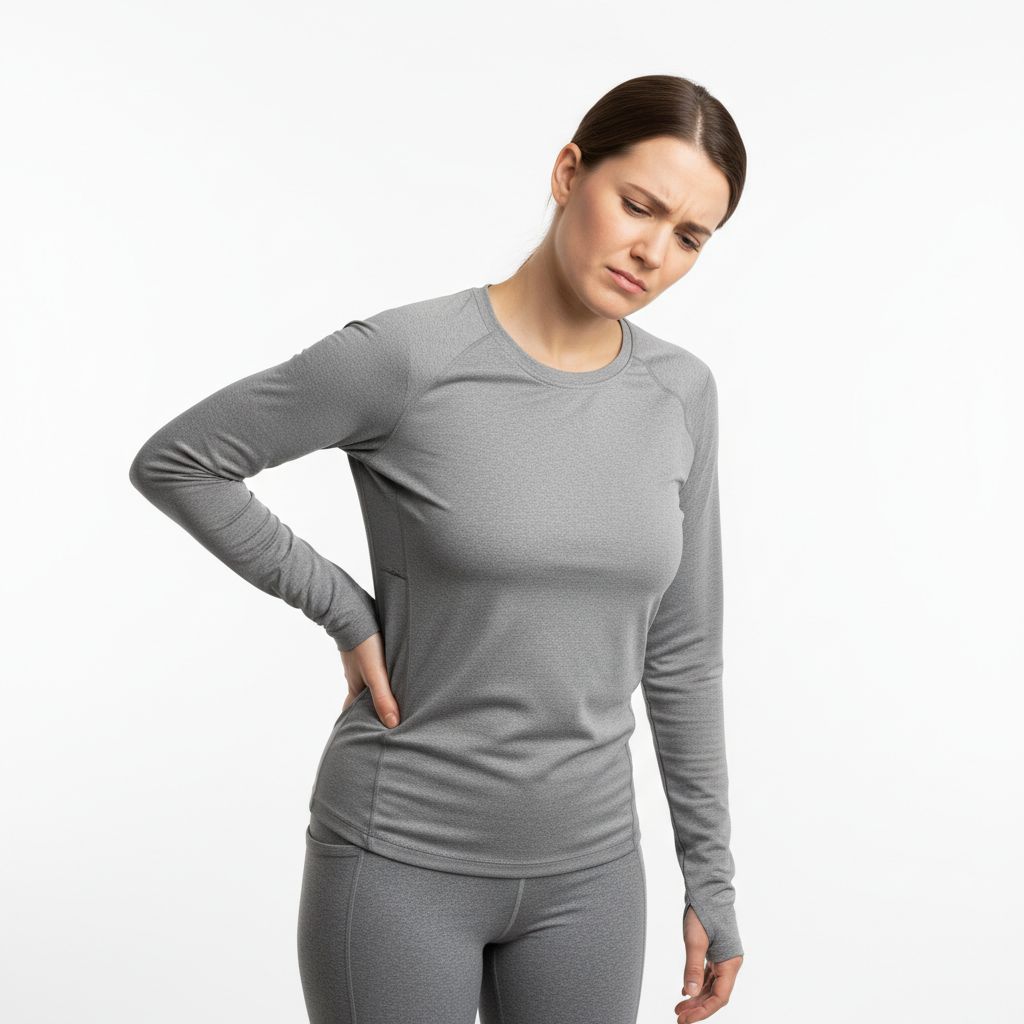
Pilates Ranked Among the Most Effective Treatments for Chronic Low Back Pain
What the Research Found — And Why It Matters for Back Pain Relief Pilates Practitioners Already Know Works
A large-scale meta-analysis examining 118 clinical trials involving more than 9,700 participants has placed Pilates among the most effective interventions for chronic low back pain — outperforming several conventional treatment approaches in both pain reduction and functional improvement. For anyone who has been quietly championing back pain relief through Pilates for years, this is the kind of research that makes you exhale properly for the first time in a while.
The findings have drawn renewed attention from physiotherapists, sports scientists, and wellness practitioners looking for evidence-based movement options for one of the world's most common musculoskeletal complaints. And honestly? It's about time.
Chronic low back pain affects a significant portion of the global population at some point in their lives, and the push for non-pharmacological solutions has intensified as healthcare providers look to reduce dependence on pain medication. This meta-analysis adds meaningful weight to what many movement practitioners have long observed in their clients: consistent, structured Pilates practice produces real, measurable relief.
Why Pilates Works for Back Pain Relief
The mechanism is not mysterious. Pilates targets the deep stabilising muscles of the trunk — particularly the transverse abdominis and the multifidus — which play a critical role in supporting the lumbar spine during everyday movement. When these muscles are weak or poorly coordinated, the spine absorbs load it was never designed to manage alone, and pain follows.
Here's the thing — we see this all the time. A client walks in having tried everything: painkillers, rest, the occasional hot water bottle. After six weeks of consistent mat work focusing on deep core activation, they're picking up their kids again without bracing for impact. That's not anecdote; that's the method doing exactly what the research describes.
Unlike high-impact exercise or generalised gym training, Pilates builds deep muscular support gradually and intentionally. Movements are performed with deliberate attention to alignment, breath, and control — qualities that make it particularly well-suited to people who are already in pain and cannot tolerate aggressive loading.
Reformer-based Pilates has also shown strong results in clinical settings. Multiple studies indicate that the spring-resistance system allows practitioners to work through a full range of movement with reduced compressive force on the spine — a meaningful advantage for anyone dealing with disc-related or facet-joint pain.
What This Means If You Have Back Pain
The research does not suggest that Pilates is a cure, or that every person with back pain will respond identically. Individual factors — including the cause of pain, movement history, and consistency of practice — all play a role.
What the evidence does support is that Pilates is a low-risk, high-value starting point for most people dealing with chronic (rather than acute) lower back pain, and that the benefits compound over time with regular practice. This isn't a quick fix. It's a slow, steady rebuild — and that's exactly why it holds.
If you are currently experiencing back pain, consult a qualified healthcare professional before beginning any new exercise programme. That said, many physiotherapists now actively refer patients to Pilates as part of a broader rehabilitation plan — which, a few years ago, felt like progress worth celebrating.
One Practical Tip to Start Today
If you want to target the muscles most relevant to back pain relief, begin with the Pelvic Curl. Lie on your back with knees bent and feet flat on the floor, hip-width apart. On an exhale, gently tilt your pelvis and peel your spine off the mat one vertebra at a time until your hips are lifted. Hold for a breath, then lower slowly with control.
This movement activates the multifidus and gluteals while teaching the spine to move segmentally — a foundational skill for back health that sounds simple but takes real concentration to do well. Perform eight to ten repetitions with full attention on the quality of each movement rather than speed. Consistency with exercises like this is what the research consistently rewards.
If you want a structured starting point for your back pain relief Pilates practice, the 99 Pilates Exercises manual covers the Pelvic Curl and dozens of other back-friendly exercises with clear illustrated instructions for every level.
Key Takeaways
- A meta-analysis of 118 clinical trials with over 9,700 participants found Pilates to be among the most effective interventions for chronic low back pain, outperforming several conventional treatment approaches.
- Pilates strengthens deep stabilising muscles like the transverse abdominis and multifidus, which support the lumbar spine and prevent it from absorbing excessive load during everyday movement.
- Unlike high-impact exercise, Pilates builds deep muscular support gradually through controlled movements with deliberate attention to alignment and breath, making it safer for people already experiencing pain.
- Spring-resistance Reformer-based Pilates allows practitioners to move through a full range of motion with reduced compressive force on the spine, offering particular benefit for disc-related or facet-joint pain.
- Results with Pilates depend on individual factors including pain cause, movement history, and consistency of practice, with benefits compounding over time rather than appearing as a quick fix.
- Starting with simple exercises like the Pelvic Curl — performed 8 to 10 times with full attention to movement quality rather than speed — is where the research-backed benefits begin for back health.
FAQ
How often should I do Pilates if I have chronic lower back pain?
Research suggests that two to three sessions per week offers the best balance of therapeutic benefit and recovery time for chronic lower back pain. That frequency gives your body enough stimulus to adapt and improve without overwhelming tissues that are already under stress. If you are new to Pilates, starting once or twice weekly and building gradually is a sensible approach — ideally with input from a qualified instructor or physical therapist who can keep an eye on your form.
Is mat Pilates or reformer Pilates better for back pain relief?
Both can be genuinely effective, but they offer different advantages. Reformer Pilates provides spring-assisted support and adjustable resistance, which many people find helpful when first managing back pain. Mat Pilates builds functional stability using your own bodyweight and is often more accessible and affordable. The best choice depends on your pain severity, budget, and what you can realistically access — though combining both approaches tends to yield the strongest results. A qualified instructor can assess your specific needs and guide you from there.
Can I do Pilates if my back pain is severe or I have a disc injury?
Pilates can still be beneficial with a disc injury or severe back pain, but working with a physical therapist or a Pilates instructor trained in therapeutic modification is non-negotiable before you start. Certain movements may aggravate your condition, and modifications tailored to your specific diagnosis matter enormously. Gentle, controlled Pilates focusing on core stability and proper alignment can support recovery when done correctly — just make sure you get clearance from your healthcare provider first, and stay communicative with your instructor about anything that causes discomfort.
Frequently Asked Questions
- How often should I do Pilates if I have chronic lower back pain?
- Most research suggests that 2–3 sessions per week offers the best balance of therapeutic benefit and recovery time for chronic lower back pain. Starting with this frequency allows your body to adapt to the movements while giving you enough stimulus to see meaningful improvements in pain and function. If you're new to Pilates, you might begin with once or twice weekly and gradually increase as your core strength and confidence build—always under guidance from a qualified instructor or physical therapist.
- Is mat Pilates or reformer Pilates better for back pain relief?
- Both can be effective, but they offer different advantages: reformer Pilates provides spring-assisted support and adjustable resistance, which many people find helpful when first managing back pain, while mat Pilates builds functional stability using your own body weight and is often more accessible and affordable. The best choice depends on your pain severity, budget, and access—though combining both approaches tends to yield the strongest results. A qualified instructor can assess your specific needs and recommend which format to prioritize or how to alternate between them.
- Can I do Pilates if my back pain is severe or I have a disc injury?
- If you have severe back pain or a diagnosed disc injury, Pilates can still be beneficial, but you absolutely must work with a physical therapist or Pilates instructor trained in therapeutic modification before starting. Certain movements may aggravate your condition, so modifications tailored to your specific diagnosis are essential—gentle, controlled Pilates focusing on core stability and proper alignment can actually support recovery when done correctly. Always get clearance from your healthcare provider first, and communicate openly with your instructor about your diagnosis and any movements that cause discomfort.