News · July 22, 2026
New Research Points to Hormone That May Tackle Chronic Back Pain at Its Source
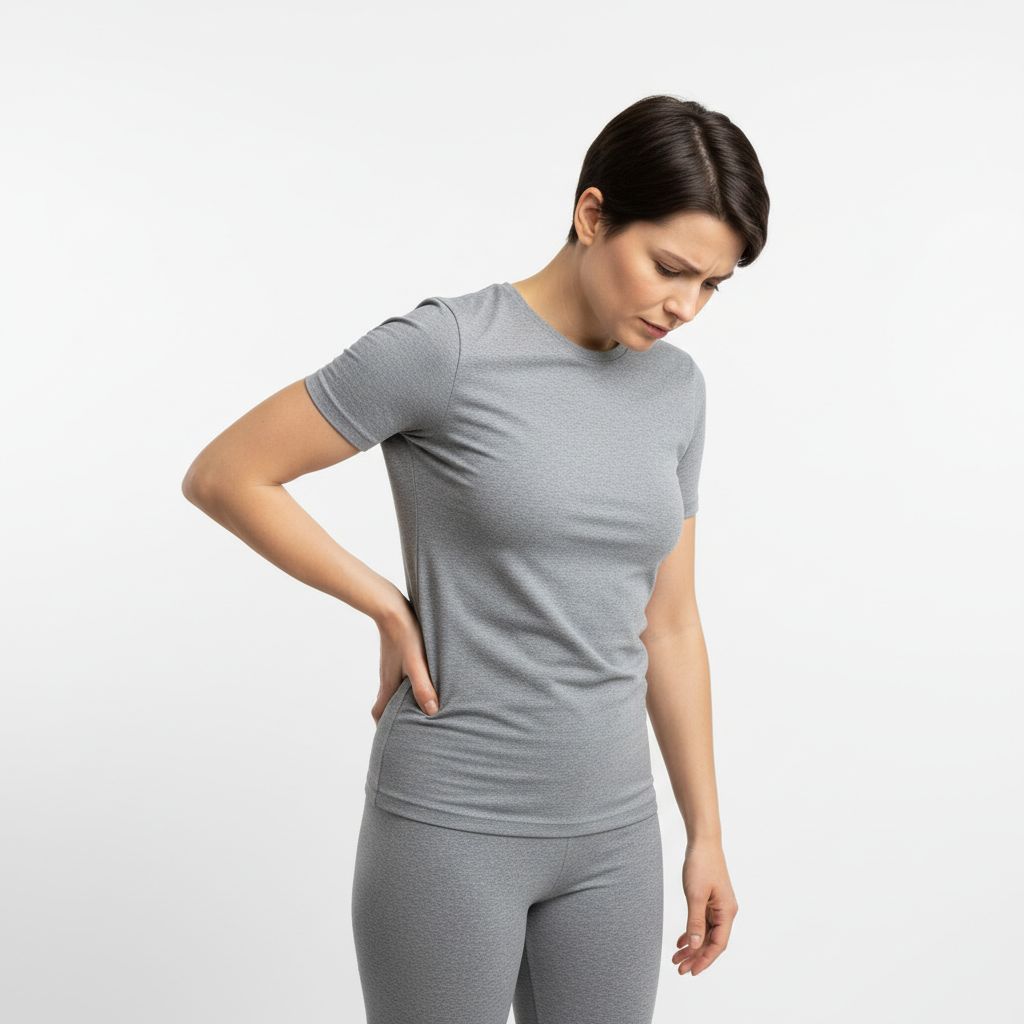
Scientists Identify a Hormone That Could Stop Chronic Back Pain at Its Source
What the Research Found — and Why It Matters for Back Pain Relief
A study published on July 20, 2026 in the journal Bone Research has shed new light on why chronic back pain is so persistent — and how the body might be able to fight back. Led by Dr. Janet L. Crane at the Center for Musculoskeletal Research, Johns Hopkins University School of Medicine, the research points to abnormal nerve growth inside damaged spinal tissue as a key driver of long-term pain. If you've been searching for answers around back pain relief, Pilates, and the nervous system, this one's worth paying attention to.
The finding matters because it offers a biological explanation for something many back pain sufferers know intimately: the pain lingers long after an injury should, in theory, have healed. According to the study, pain-sensing nerves can grow into spinal tissue where they don't belong, keeping the nervous system stuck in a state of persistent alarm.
The research suggests that parathyroid hormone may be able to reverse this process by activating natural cellular signals that push those nerves back out of the affected tissue. A hormone-based clinical treatment is still in early stages — so we're not there yet. But the underlying science reinforces something the movement and rehabilitation world has argued for years: chronic back pain is not simply a structural problem. It is deeply tied to the nervous system, and how we move — or fail to move — plays a direct role in how pain signals are processed and sustained.
Why This Is Relevant to Your Pilates Practice and Back Pain Relief
Here's the thing — this research doesn't exist in isolation. Just days earlier, on July 11, 2026, the Pilates publication The Core ran a piece noting that neuroplasticity — the brain and nervous system's ability to reorganise and adapt — is one of the most talked-about concepts in pain management right now. The two stories are closely connected.
Pilates has always emphasised mindful, controlled movement over brute force. And honestly? That approach turns out to be particularly well-suited to nervous system recovery. Slow, intentional movement with focused breathing and body awareness is thought to help calm an overactive pain response, encouraging the nervous system to associate movement with safety rather than threat.
We see this all the time in practice. Take someone like a client who comes in after months of avoiding any movement below the waist because every bend forward triggered a flare. Within a few weeks of gentle, supported Pilates work — nothing dramatic, just pelvic tilts and breathing — the fear starts to ease. The body begins to remember that movement is not the enemy. This is not a cure for structural damage, but it is a meaningful complement to medical care, and it's something you can begin today.
One Practical Tip: Try the Pelvic Clock
If you live with lower back pain, one of the gentlest ways to begin re-educating your nervous system is the Pelvic Clock exercise. Here is how to do it:
- Lie on your back with your knees bent and feet flat on the floor, hip-width apart.
- Imagine a clock face on your lower abdomen — 12 o'clock is your navel, 6 o'clock is your tailbone.
- Slowly tilt your pelvis so your lower back gently presses into the mat (toward 6 o'clock), then release back to neutral.
- Gradually work your way around the clock in small, controlled arcs, keeping the movement smooth and pain-free.
- Complete one or two full circles in each direction, breathing steadily throughout.
This exercise does not load the spine — that's the point. Its purpose is to restore gentle, conscious movement to the lumbar region, reduce protective muscle guarding, and give the nervous system repeated, low-threat signals that movement in that area is safe. Small circles, steady breath, no heroics.
The Bigger Picture
Research like the Johns Hopkins study is a reminder that chronic back pain deserves a multi-layered response — one that addresses biology, movement habits, and nervous system health together. No single fix does it all. Movement practices built on control, breath, and awareness are a natural part of that picture, and Pilates sits right at the centre of that conversation.
If you want a structured place to start with back pain relief through Pilates, the 99 Pilates Exercises manual includes the Pelvic Clock and a range of other low-back-friendly exercises with clear, illustrated instructions for every level.
Key Takeaways
- Abnormal nerve growth into damaged spinal tissue, rather than structural damage alone, is a key driver of chronic back pain persistence, according to recent research from Johns Hopkins University.
- Parathyroid hormone shows promise in early research as a potential treatment to reverse abnormal nerve growth by activating cellular signals that remove pain-sensing nerves from affected tissue.
- Pilates' emphasis on slow, intentional movement with focused breathing helps calm an overactive nervous system by teaching it to associate movement with safety rather than threat.
- The Pelvic Clock exercise — a gentle, non-loading movement performed lying on your back — can begin retraining the nervous system to accept movement in the lumbar region as safe.
- Effective chronic back pain management requires a multi-layered approach combining medical treatment, movement practices, and nervous system retraining rather than addressing structural issues alone.
- Neuroplasticity and nervous system recovery, not just physical therapy or rest, are now central to how pain specialists understand and treat persistent back pain.
FAQ
Can Pilates help with chronic back pain caused by nerve sensitivity?
Yes, Pilates can be genuinely beneficial for nerve-related back pain when approached carefully. Strengthening the deep core muscles that stabilise the spine helps reduce stress on nerves and damaged tissue. Research published in July 2026 in Bone Research highlights how abnormal nerve growth in damaged spinal tissue drives chronic pain — and controlled, low-impact movement like Pilates may help interrupt that cycle. That said, work with a qualified instructor and your healthcare provider to make sure exercises are right for your specific situation.
What is the connection between neuroplasticity and back pain relief?
Neuroplasticity is your nervous system's ability to rewire and adapt — and it plays a major role in how you experience and recover from chronic pain. When you practice Pilates consistently, you're not just strengthening muscles; you're retraining your brain and nervous system to recognise safety and stability in movement. This gradual rewiring can reduce pain signals over time, even if the original tissue damage hasn't completely healed. The mind-body focus of Pilates — breathing, awareness, and controlled movement — makes it especially well-suited to working with neuroplasticity rather than against it.
Which Pilates exercises are safest to start with if I have lower back pain?
Start with gentle, supported movements like pelvic tilts, bridges, and modified planks that build core strength without excessive spinal loading. Exercises performed on a mat with proper alignment — such as a modified Hundred with bent knees and feet down, or careful leg circles — let you control intensity and range of motion from the beginning. Always prioritise neutral spine positioning and steer clear of deep twists, hyperextension, or high-impact variations until you've built sufficient strength and confidence. Working with a Pilates instructor trained in therapeutic exercise makes a real difference in ensuring your movement supports recovery rather than sets it back.
Frequently Asked Questions
- Can Pilates help with chronic back pain caused by nerve sensitivity?
- Yes, Pilates can be beneficial for nerve-related back pain when approached carefully. By strengthening the deep core muscles that stabilize the spine, Pilates helps reduce stress on nerves and damaged tissue. Recent research, including a study published in July 2026 in *Bone Research*, highlights how abnormal nerve growth in damaged spinal tissue drives chronic pain—and controlled, low-impact movement like Pilates may help interrupt this cycle. That said, it's essential to work with a qualified instructor and your healthcare provider to ensure exercises don't aggravate your specific condition.
- What is the connection between neuroplasticity and back pain relief?
- Neuroplasticity is your nervous system's ability to rewire and adapt—and it plays a major role in how you experience and recover from chronic pain. When you practice Pilates consistently, you're not just strengthening muscles; you're retraining your brain and nervous system to recognize safety and stability in movement. This gradual rewiring can reduce pain signals over time, even if the original tissue damage hasn't completely healed. The mind-body focus of Pilates—breathing, awareness, and controlled movement—makes it especially effective for leveraging neuroplasticity to manage back pain.
- Which Pilates exercises are safest to start with if I have lower back pain?
- Beginners with lower back pain should start with gentle, supported movements like pelvic tilts, bridges, and modified planks that build core strength without excessive spinal loading. Exercises performed on a mat with proper alignment—such as the hundred (modified on your back with bent knees) and leg circles—allow you to control intensity and range of motion. Always prioritize neutral spine positioning and avoid deep twists, hyperextension, or high-impact variations until you've built sufficient strength and confidence. Working one-on-one with a Pilates instructor trained in therapeutic exercise ensures you're doing movements that support your recovery rather than hindering it.