News · July 21, 2026
Neck and Back Pain Tips From a Nurse Practitioner — And How Pilates Fits In
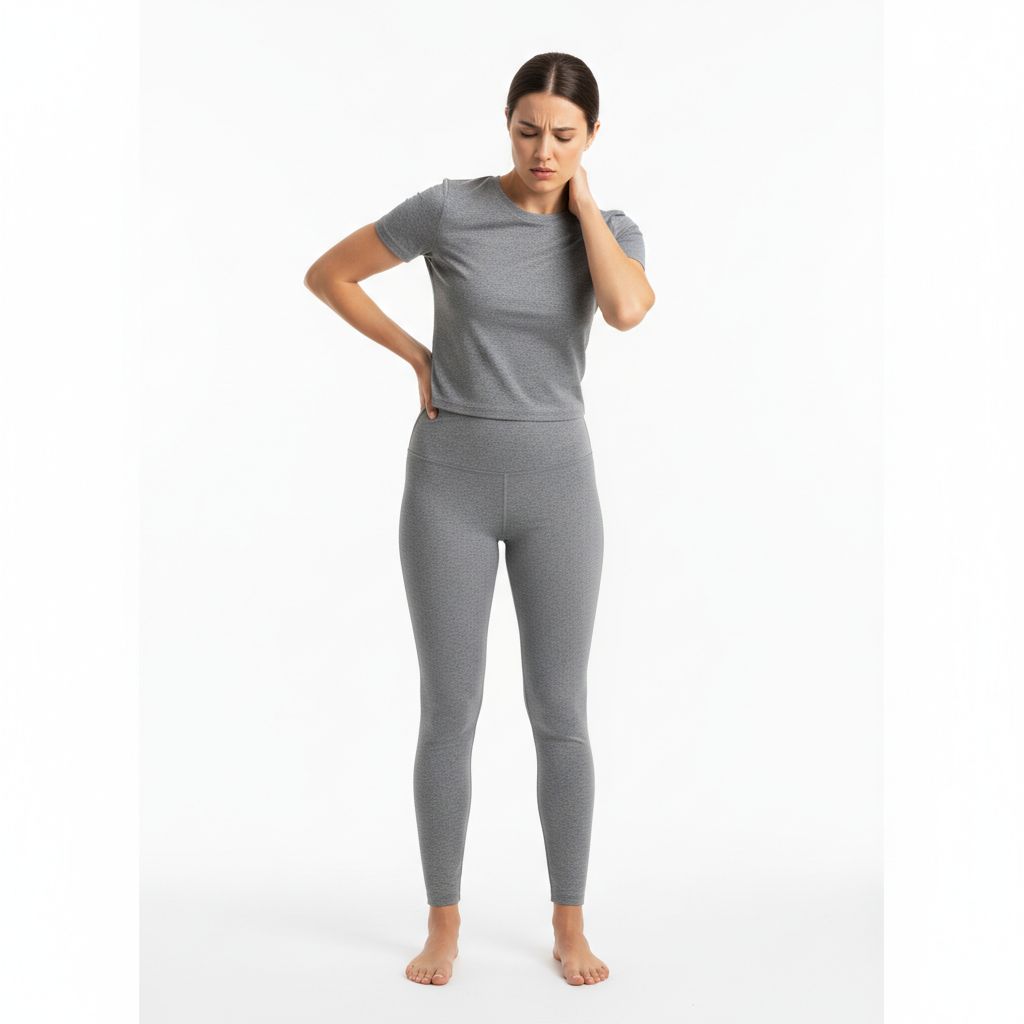
Nurse Practitioner Shares Back and Neck Pain Tips — Here's Where Pilates Comes In
What Happened
On July 9, 2026, WTVA News anchor Daniella Oropeza sat down with Claire Harrelson, a nurse practitioner with North Mississippi Health Services, as part of the station's ongoing Wellness Wednesday series. The segment focused on practical, everyday strategies for preventing neck and back pain — one of the most common reasons people seek medical attention, and something anyone interested in back pain relief Pilates-style will find very familiar.
Harrelson's advice centered on the habits that quietly accumulate into chronic discomfort: prolonged sitting, poor posture, weak core muscles, and insufficient movement throughout the day. Her recommendations were straightforward — move more, sit smarter, and strengthen the muscles that support your spine. Honestly? That could double as a description of any good Pilates class.
Why This Matters for Back Pain Relief and Pilates Practitioners
The advice Harrelson outlined maps almost directly onto what Pilates has been teaching for decades. Pilates was originally developed to rehabilitate and strengthen the body through controlled, deliberate movement — with the spine, core, and postural muscles at the center of every session.
Research consistently supports what practitioners already know from experience: strengthening deep core muscles reduces the mechanical load on the lumbar spine, and improving postural awareness can ease chronic tension in the neck and upper back. These are not incidental benefits of Pilates — they are the point.
Here's the thing — the growing visibility of mainstream medical advice like this is a useful reminder that preventing back and neck pain doesn't have to be complicated. No expensive equipment, no specialist required. Just consistent, mindful movement, which is exactly what a regular Pilates practice provides.
One Concrete Tip You Can Use Today
If you spend long hours sitting — at a desk, in a car, or on a couch — your hip flexors shorten and your deep abdominal muscles gradually switch off. This shifts the work of stabilising your spine onto your lower back muscles, which were never designed for that job. Over time, that is a reliable recipe for pain.
Think about a client who sits at a desk from nine to five, five days a week. By Friday afternoon, they can barely stand up straight without feeling that familiar tug in their lower back. That is not weakness — that is mechanics. And it is fixable.
A simple way to start reversing that pattern is the Pelvic Curl, one of the foundational exercises in mat Pilates:
- Lie on your back with your knees bent and feet flat on the floor, hip-width apart.
- Inhale to prepare. As you exhale, gently tilt your pelvis, pressing your lower back into the mat.
- Continue peeling your spine off the mat one vertebra at a time until your hips are lifted and your body forms a straight line from shoulders to knees.
- Inhale at the top, then exhale as you roll back down slowly, replacing each vertebra in sequence.
- Repeat six to eight times, moving slowly and deliberately.
This exercise reactivates the glutes, lengthens the hip flexors, and encourages segmental mobility through the lumbar spine — addressing several root causes of back pain in one simple movement. We see this all the time: people who start doing it once in the morning and once after long periods of sitting notice a difference within a week.
The Bigger Picture for Pilates and Back Pain Relief
Segments like WTVA's Wellness Wednesday are valuable because they bring preventive health advice to a broad audience. But the gap between hearing good advice and actually building a consistent practice — that is where most people get stuck.
Having a structured, progressive framework makes it far more likely that good intentions translate into lasting habits. A clear sequence of exercises, with proper instruction, changes everything.
If you want a structured starting point, the 99 Pilates Exercises manual covers the Pelvic Curl and dozens of other core and postural exercises with clear step-by-step instructions suited to every level.
Key Takeaways
- Prolonged sitting causes hip flexors to shorten and deep abdominal muscles to disengage, forcing the lower back to stabilize the spine — a mechanical mismatch that reliably produces chronic pain over time.
- The Pelvic Curl directly reverses sitting-induced dysfunction by reactivating glutes, lengthening hip flexors, and restoring segmental spinal mobility in a single movement.
- Pilates addresses neck and back pain prevention at its core by design, making it a structured, progressive framework that converts good intentions into lasting preventive habits.
- Medical professionals increasingly validate what Pilates practitioners have known for decades: strengthening deep core muscles and improving postural awareness are the primary levers for chronic pain relief.
- Effective back pain prevention requires neither expensive equipment nor specialist care — only consistent, mindful movement practiced regularly throughout the week.
- The gap between hearing preventive health advice and actually implementing it closes when a structured, progressive system like mat Pilates provides clear guidance and sequential progression.
FAQ
What are the most effective Pilates exercises for lower back pain relief?
Some of the most effective Pilates exercises for lower back pain include the pelvic curl, bird dog, and dead bug — these movements strengthen your core while keeping your spine in a neutral, supported position. The bridge and side-lying leg lifts are also excellent for building stability in your lower back and glutes without putting excessive strain on the lumbar spine. If you are dealing with back pain, focus on controlled, low-impact movements rather than advanced exercises. Quality always beats intensity when it comes to pain relief.
How often should I do Pilates to improve posture and prevent neck pain?
Most experts recommend doing Pilates three to four times per week for noticeable improvements in posture and neck pain prevention, though even two sessions weekly can make a meaningful difference if you are consistent. Your postural muscles need repeated activation to counteract the effects of prolonged sitting and screen time — two of the biggest contributors to neck discomfort. Start with what you can sustain, then gradually increase frequency as Pilates becomes part of your routine.
Can beginners use Pilates for back pain, or is it only for experienced practitioners?
Pilates is actually an excellent choice for beginners dealing with back pain, and many people find it gentler than high-impact exercise while still delivering real results. Movements can be easily modified to match your current fitness level and pain tolerance — you do not need to master advanced techniques to benefit from the core strengthening and postural alignment Pilates provides. If you are new to Pilates and managing back pain, consider working with an instructor initially to make sure you are using proper form and avoiding anything that aggravates your condition.
Frequently Asked Questions
- What are the most effective Pilates exercises for lower back pain relief?
- Some of the most effective Pilates exercises for lower back pain include the pelvic curl, bird dog, and dead bug, as these movements strengthen your core while keeping your spine in a neutral, supported position. The bridge and side-lying leg lifts are also excellent for building stability in your lower back and glutes without putting excessive strain on the lumbar spine. If you're dealing with back pain, focus on controlled, low-impact movements rather than advanced exercises—quality always beats intensity when it comes to pain relief.
- How often should I do Pilates to improve posture and prevent neck pain?
- Most experts recommend doing Pilates 3–4 times per week for noticeable improvements in posture and neck pain prevention, though even 2 sessions weekly can make a meaningful difference if you're consistent. The key is regularity: your postural muscles need repeated activation to counteract the effects of prolonged sitting and screen time, which were highlighted in recent wellness discussions as major contributors to neck discomfort. Start with what you can sustain, then gradually increase frequency as Pilates becomes part of your routine.
- Can beginners use Pilates for back pain, or is it only for experienced practitioners?
- Pilates is actually an excellent choice for beginners dealing with back pain, and many people find it gentler than high-impact exercises while still delivering real results. The beauty of Pilates is that movements can be easily modified to match your current fitness level and pain tolerance—you don't need to master advanced techniques to benefit from the core strengthening and postural alignment it provides. If you're new to Pilates and managing back pain, consider working with an instructor initially to ensure you're using proper form and avoiding movements that aggravate your condition.