News · July 23, 2026
Ice Is Out for Sprains and Strains — Here's What the Latest Recovery Science Says
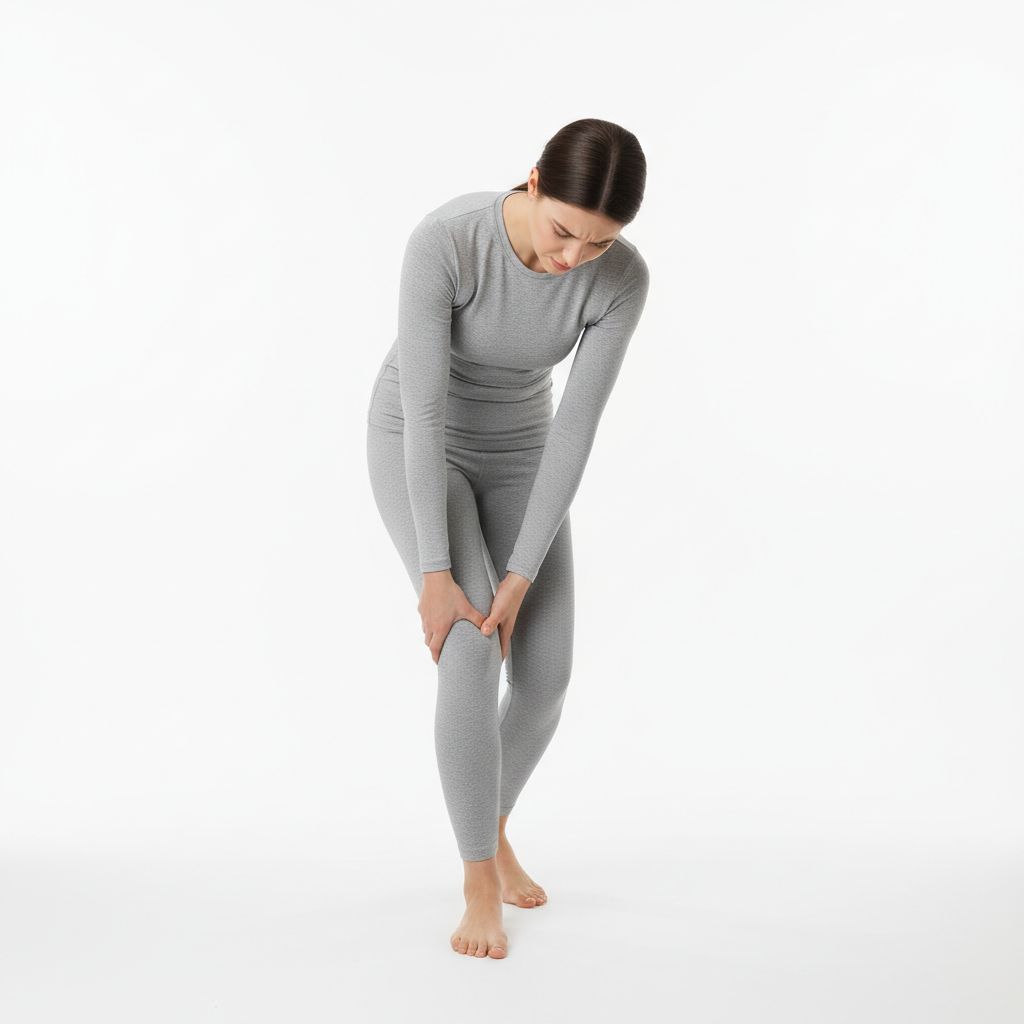
Ice Is Out for Sprains and Strains — What Updated Recovery Science Means for Your Movement Practice
The Old Playbook Is Being Rewritten (And Back Pain Relief Pilates Practitioners Should Pay Attention)
For decades, the default response to a twisted ankle or strained muscle was simple: rest, ice, compress, elevate — the classic RICE protocol. But a July 1, 2026 report in The Washington Post is pushing that advice firmly into the past. Leading sports medicine and physical therapy voices are now challenging the routine use of ice and extended rest for soft-tissue injuries like sprains and strains. And honestly? The evidence behind this shift has been building for a while.
The growing consensus points to something most movement teachers have suspected for years: passive approaches may actually slow the healing process rather than help it. If you have ever sought back pain relief through Pilates rather than the sofa, you have already been on the right side of this argument.
Why Ice May Be Holding You Back
Here is the thing — inflammation has always had a bad reputation, but that reputation is not entirely deserved. Inflammation is now better understood as a necessary first stage of tissue repair. Applying ice aggressively to an injury can blunt this inflammatory response, potentially delaying the cascade of biological events the body needs to rebuild damaged tissue.
Prolonged rest creates its own set of problems: stiffness, muscle atrophy, and a longer road back to full function. In place of RICE, clinicians are increasingly pointing toward approaches that emphasise controlled early movement, gentle loading of the injured tissue, and progressive return to activity — principles that will sound very familiar to anyone who has spent time on a Pilates mat.
Why This Matters for Back Pain Relief, Pilates, and Movement-Based Recovery
Pilates has always been built on the idea that mindful, controlled movement is medicine. Joseph Pilates designed his method around rehabilitation — originally for injured dancers and athletes — and the principles of precision, breath, and gradual progressive loading are precisely what modern recovery science is now advocating more broadly.
We see this all the time: a client comes in after a minor ankle sprain, having spent a week on the sofa with an ice pack, and they are stiffer and more guarded than they were on day two. A few sessions of gentle, intentional movement and they start to feel like themselves again. That is not coincidence — that is the body doing exactly what it is designed to do when you give it the right conditions.
If you are recovering from a minor sprain, a muscle strain, or recurring soft-tissue discomfort, this updated guidance reinforces that gentle, consistent movement is likely more valuable than a bag of ice and a week off. Any injury should be assessed by a qualified health professional before you return to exercise, though — this is not a reason to push through acute pain.
One Practical Tip: Start With Gentle Spinal Mobility Work
If you have been cleared to move after a soft-tissue injury, one of the safest places to begin is low-load spinal mobility and core activation. These moves encourage circulation, maintain joint range of motion, and begin to re-engage the stabilising muscles without placing excessive demand on injured tissue.
A few good starting points include:
- Pelvic tilts — lying on your back, gently rocking the pelvis to mobilise the lumbar spine with minimal load
- Knee folds (imprint position) — building early core connection without spinal compression
- Cat-cow variations — promoting fluid movement through the entire spine and encouraging breath coordination
Move within a pain-free range, keep the effort light, and prioritise quality of movement over quantity of repetitions. Even five to ten minutes of this kind of work done daily can make a meaningful difference during early recovery. Small and consistent beats ambitious and sporadic every single time.
The Takeaway
The shift away from ice and passive rest is a meaningful moment for movement communities — and it validates what Pilates teachers and physios who use movement as medicine have long understood: the body heals better when it keeps moving, carefully and intentionally.
For anyone exploring back pain relief through Pilates, this is one more reason to trust the method. If you want a structured starting point for building that kind of mindful movement practice, the 99 Pilates Exercises manual covers gentle foundational exercises like those above — and 80 more — with clear, illustrated instructions suitable for all levels.
Key Takeaways
- The traditional RICE protocol for soft-tissue injuries is being replaced by approaches emphasising controlled early movement, gentle loading, and progressive return to activity.
- Inflammation, previously viewed as harmful, is now understood as a necessary stage of tissue repair that can be slowed by aggressive ice application.
- Prolonged rest after minor sprains and strains may increase stiffness, muscle atrophy, and recovery time rather than accelerate healing.
- Pilates' core principles of mindful, controlled movement and gradual progressive loading align with current sports medicine evidence for optimal injury recovery.
- Starting recovery with low-load spinal mobility work like pelvic tilts and cat-cow variations encourages circulation and core engagement without excessive demand on injured tissue.
- Moving within a pain-free range for just 5–10 minutes daily during early recovery can produce meaningful healing benefits compared to immobilisation.
FAQ
Is it safe to do Pilates while recovering from a sprain or strain?
Yes, but it depends on the severity and stage of your injury. Gentle, modified Pilates can actually support recovery by maintaining mobility and strength in unaffected areas while you heal. Work with your physical therapist or doctor to identify which movements are safe — starting with breath work and gentle core engagement rather than weight-bearing or high-intensity moves keeps you active without risking re-injury.
What has replaced the RICE method for treating soft-tissue injuries?
The newer approach emphasises movement and controlled activity over prolonged rest and ice. Sports medicine professionals now often recommend early, gentle mobility work, gradual loading, and inflammation management that does not automatically default to icing. This recognises that controlled movement can promote healing better than complete immobilisation — though the right approach always depends on your specific injury, so check with your healthcare provider first.
Which Pilates exercises are best for early injury recovery?
During early recovery, focus on breathing exercises, gentle spinal mobility work, and isometric core engagement — think pelvic tilts, diaphragmatic breathing, and supported marching in place. These build stability without high impact or demanding range of motion. As you progress, your physical therapist can clear you for gentle leg lifts, modified roll-ups, and side-lying work that challenges your core without stressing the injured area. The goal is gradual progression that respects your healing timeline.
Frequently Asked Questions
- Is it safe to do Pilates while recovering from a sprain or strain?
- Yes, but it depends on the severity and stage of your injury. Gentle, modified Pilates can actually support recovery by maintaining mobility and strength in unaffected areas while you heal. The key is working with your physical therapist or doctor to identify which movements are safe and which to avoid during early recovery phases. Starting with breath work and gentle core engagement—rather than weight-bearing or high-intensity moves—helps you stay active without re-injuring yourself.
- What has replaced the RICE method for treating soft-tissue injuries?
- The newer approach emphasizes movement and controlled activity over prolonged rest and ice, moving away from the traditional RICE protocol that dominated injury care for decades. Sports medicine professionals now often recommend early, gentle mobility work, gradual loading, and inflammation management that doesn't automatically default to icing. This shift recognizes that some controlled movement actually promotes healing better than complete immobilization, though the right approach depends on your specific injury. Always consult your healthcare provider for personalized guidance, as individual cases vary.
- Which Pilates exercises are best for early injury recovery?
- During early recovery, focus on breathing exercises, gentle spinal mobility work, and isometric core engagement—think of moves like pelvic tilts, diaphragmatic breathing, and supported marching in place. These build stability without high impact or demanding range of motion. As you progress, your physical therapist can clear you for gentle leg lifts, modified roll-ups, and side-lying work that challenges your core without stressing the injured area. The goal is gradual progression that respects your healing timeline rather than jumping back into full Pilates routines too quickly.