News · July 18, 2026
Ditch the Back Brace: Why Strengthening Beats Bracing for Better Posture
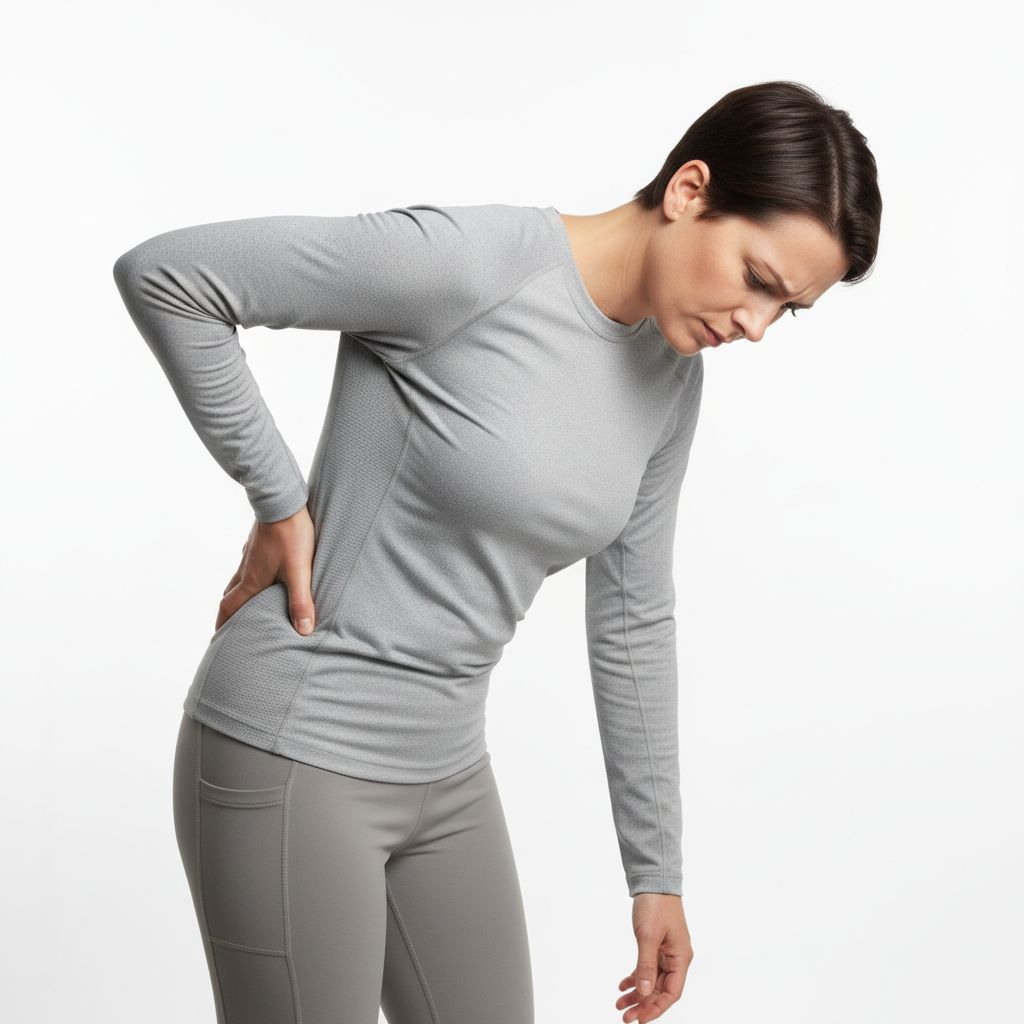
Ditch the Back Brace: A Physical Therapist Explains Why Strengthening Is the Real Fix for Poor Posture
What the Research Is Saying About Back Pain Relief and Pilates
A piece published by Fit&Well on July 15, 2026 is making waves in wellness circles — and honestly, it's about time. An orthopedic physical therapist is urging people to put down their posture braces and start doing the deeper work instead. If you've been curious about back pain relief through Pilates, this is exactly the kind of validation the movement community has needed.
The core message is simple but important: back braces may offer short-term comfort, but they do not correct poor posture. By doing the stabilising work for your muscles, braces can actually prevent those muscles from learning to hold you upright on their own. Over time, that creates a cycle of dependency rather than genuine improvement.
The solution the therapist recommends? Targeted daily movement that actively trains the core, hips, and back muscles to do what a brace was doing passively.
Why This Matters If You Sit for Most of the Day
Most of us spend significant portions of the day seated — at a desk, in a car, on a sofa. Prolonged sitting tends to switch off the deep stabilising muscles of the spine and pelvis, leaving the larger, more superficial muscles to compensate. Here's the thing — that compensation pattern doesn't stay quiet. Over time, it shows up as the rounded shoulders, forward head position, and lower back ache that so many people recognise.
A brace might prop you into a more upright position in the short term, but it does nothing to rebuild the muscular endurance and body awareness needed to maintain that position independently. That is exactly what makes movement-based approaches — like Pilates — so relevant here.
Where Pilates Fits In for Lasting Back Pain Relief
Pilates was built on the principle of developing strength from the inside out. Exercises like the Hundred, Single Leg Stretch, and Swan aren't simply about moving through a range of motion — they train the deep stabilisers of the spine, the muscles that sit directly alongside the vertebrae and pelvis, to switch on and stay on throughout daily life.
We see this all the time in practice. Someone comes in after months of wearing a posture brace, and their deep spinal muscles are genuinely underworking — not because anything is structurally wrong, but because the brace has been doing the job for them. A few weeks of consistent Pilates and that switches around completely.
Real postural change happens when muscles learn to hold the body without external support — and that learning requires consistent, intentional practice. That's the kind of muscular re-education the physical therapist in the Fit&Well article is pointing toward.
One Practical Tip to Try Today
If you want to start addressing your posture right now, try this simple exercise that requires no equipment:
- Chin tuck with spinal lengthening: Sit tall on the edge of a chair with your feet flat on the floor. Gently draw your chin straight back — not down toward your chest, but back, as if making a subtle double chin. At the same time, imagine the crown of your head lifting toward the ceiling. Hold for five seconds, then release. Repeat ten times.
This movement activates the deep cervical flexors at the front of the neck while encouraging length through the entire spine. It directly counters the forward head position that develops from screen time and prolonged sitting — and it takes less than two minutes. Simple, but genuinely effective.
The Bottom Line
Posture braces are not the answer. As this guidance from an orthopedic physical therapist confirms, sustainable postural improvement comes from building genuine strength and body awareness — not from outsourcing that work to a piece of elastic. And honestly? That's good news, because it means the fix is something you can actually build on over time.
Consistent, well-structured movement practice is enough to create real, lasting change — no clinic appointment or fancy equipment required. If you want a structured starting point for back pain relief through Pilates, the 99 Pilates Exercises manual covers targeted core and back exercises with clear illustrated instructions, whether you're just beginning or looking to deepen an existing practice.
Key Takeaways
- Back braces create muscle dependency by doing stabilisation work passively, preventing muscles from learning to support posture independently over time.
- Prolonged sitting deactivates deep spinal stabilisers, forcing superficial muscles to compensate — a pattern that shows up as rounded shoulders, forward head position, and lower back pain.
- Sustainable posture improvement requires consistent, intentional movement practice that retrains deep stabiliser muscles rather than relying on external support devices.
- The chin tuck with spinal lengthening exercise — holding for five seconds, ten repetitions — directly activates deep cervical flexors and counters forward head posture in under two minutes.
- Pilates exercises like the Hundred, Single Leg Stretch, and Swan target deep spinal stabilisers through muscular re-education rather than simple range-of-motion movement.
FAQ
Are posture braces bad for you, or just not effective long-term?
Posture braces aren't inherently harmful, but they're not a solution — they're more like a temporary band-aid. While they can provide short-term comfort and pain relief, they work against you long-term by allowing your stabilising muscles to become passive and underworked. The real issue is that braces do the job your muscles should be doing, so when you take them off, your posture often reverts. Building strength through targeted movement creates lasting change that braces simply can't achieve.
Which Pilates exercises are best for improving posture and spinal alignment?
The best Pilates exercises for posture target your deep core stabilisers and upper back — think the Hundred, Roll-Up, Swan, and Shoulder Bridge, which all engage your postural muscles directly. The Spine Stretch Forward and Mermaid also gently lengthen the spine while building awareness of alignment. What makes these effective is that they train your body to hold better posture naturally, rather than forcing it temporarily. Focus on controlled, mindful movement rather than speed, and you'll see real structural improvements over time.
How long does it take to see real posture improvement through exercise?
Most people notice feeling better within two to four weeks of consistent Pilates practice, but visible postural changes typically take six to twelve weeks of regular sessions. The timeline depends on how ingrained your postural habits are and how consistently you practice — daily or four to five times per week will show faster results than sporadic sessions. Your muscles need time to rebuild strength, and your nervous system needs time to reprogram better movement patterns. The payoff is worth it, though, because these improvements actually stick.
Frequently Asked Questions
- Are posture braces bad for you, or just not effective long-term?
- Posture braces aren't inherently harmful, but they're not a solution—they're more like a temporary band-aid. While they can provide short-term comfort and pain relief, they actually work against you long-term by allowing your stabilizing muscles to become lazy and weaker. The real issue is that braces do the work your muscles should be doing, so when you take them off, your posture often reverts (or gets worse). Instead of relying on braces, building strength through targeted exercises creates lasting change that braces simply can't achieve.
- Which Pilates exercises are best for improving posture and spinal alignment?
- The best Pilates exercises for posture target your deep core stabilizers and upper back—think the Hundred, Roll-ups, Swan, and Shoulder Bridge, which all engage your postural muscles directly. The Spine Stretch Forward and Mermaid also gently lengthen your spine while building awareness of alignment. What makes these effective is that they train your body to *hold* better posture naturally, rather than just forcing it temporarily. Focus on controlled, mindful movement rather than speed, and you'll see real structural improvements.
- How long does it take to see real posture improvement through exercise?
- Most people notice *feeling* better within 2-4 weeks of consistent Pilates practice, but visible postural changes typically take 6-12 weeks of regular sessions. The timeline depends on how severe your postural habits are and how consistently you practice—daily or 4-5 times per week will show faster results than sporadic sessions. The key is consistency: your muscles need time to rebuild strength and your nervous system needs time to reprogram better movement patterns, but the payoff is worth it because these improvements actually stick.