News · July 19, 2026
Core Strength Reduces Fall Risk and Improves Movement, Review Confirms | Elia Move
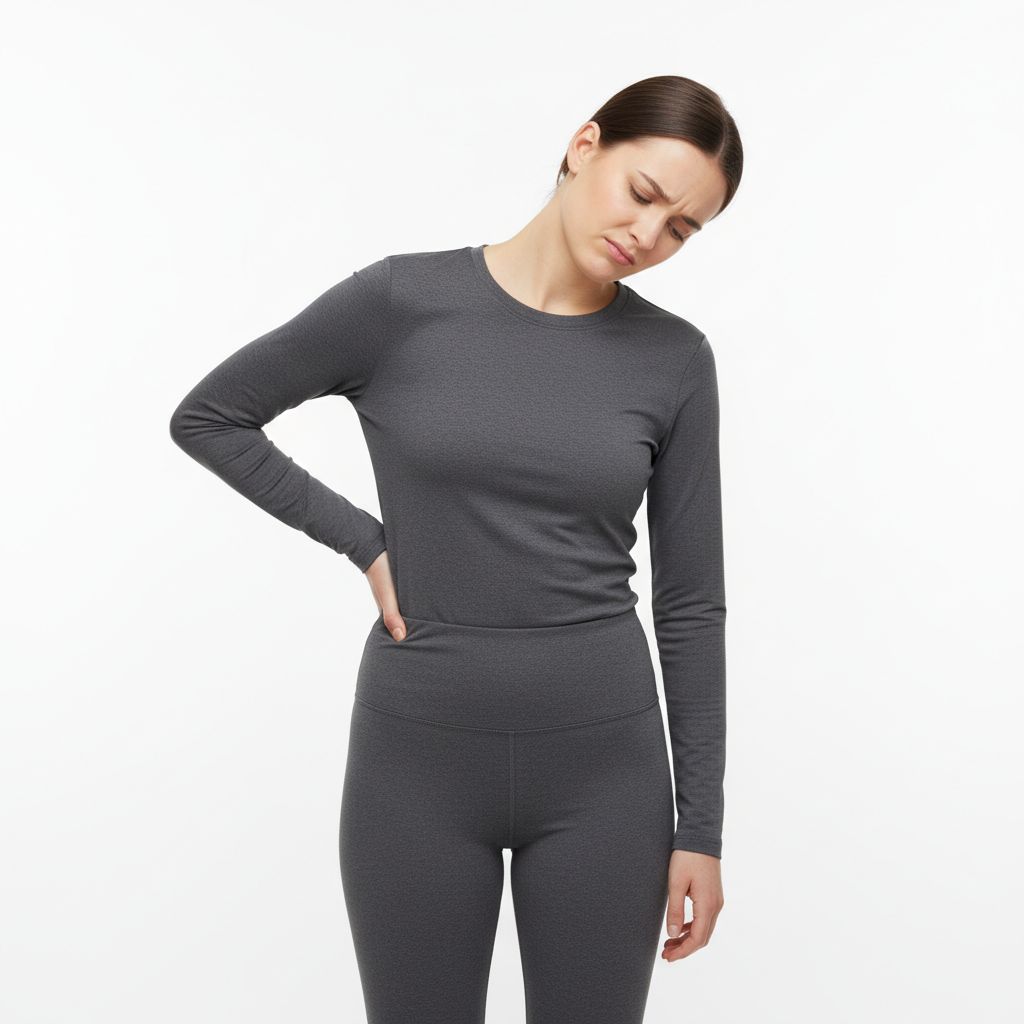
Core Strength Linked to Better Movement and Lower Fall Risk — What the Research Says
A review published in July 2026 has added fresh weight to something the Pilates community has long understood: back pain relief through Pilates is not just anecdotal — building a strong, stable core is a meaningful strategy for reducing injury risk and moving more confidently through daily life. And honestly? It is about time the research caught up with what instructors have been seeing on the mat for years.
What the Review Found
The findings, reported on July 16, 2026, draw on existing research — including a study published in the Journal of Physical Therapy Science — to conclude that consistent core training enhances movement efficiency and reduces injury risk across a range of populations. Specifically, exercises that recruit the deep core muscles help the body maintain neutral spinal alignment, which in turn reduces muscular fatigue and supports better posture over time.
Perhaps most notably for older adults and anyone recovering from injury, the review highlights a direct link between core strength and reduced fall risk — a finding with real, practical consequences for long-term health and independence.
Why Back Pain Relief Through Pilates Goes Beyond the Gym
Here is the thing — it is easy to think of core training as something reserved for athletes or people chasing a flat stomach. But the muscles at the centre of your body — including the transverse abdominis, multifidus, pelvic floor, and diaphragm — are working every time you stand, walk, reach, or twist.
When those muscles are weak or poorly coordinated, the load gets redistributed to the spine, hips, and knees in ways that gradually accumulate into pain, stiffness, and instability. We see this all the time: someone comes in convinced their tight hips are the problem, and nine times out of ten, it traces back to a core that simply is not doing its job.
This is precisely the territory where Pilates excels. Unlike high-load gym exercises that primarily target superficial muscles, Pilates is designed from the ground up to engage the deep stabilising muscles of the core — the same ones this review identifies as critical for spinal alignment and injury prevention.
Research published in Frontiers in Physiology, based on a systematic review and meta-analysis of 57 randomised controlled trials involving more than 7,700 participants, found that among core training approaches, Pilates showed the strongest pain relief effects compared to core resistance training and core stability training alone. That is a meaningful distinction for anyone dealing with back pain or trying to recover from an injury.
One Practical Tip You Can Use Today
If you want to start activating your deep core more intentionally, try this before your next workout or first thing in the morning:
- Diaphragmatic breathing with gentle core engagement: Lie on your back with knees bent. Inhale through your nose, letting your ribcage expand in all directions. As you exhale slowly, gently draw your lower belly inward and upward — not a forceful crunch, just a subtle lift. Hold for two counts, then release fully on the next inhale. Repeat for eight to ten breaths.
Think of a client who spent two years managing lower back pain with stretching alone — no real change. Within three weeks of adding this one drill each morning, she described feeling like her spine finally had something to hold onto. That is the deep core waking up.
This simple drill trains your body to coordinate the breath with deep core activation, which is the foundation of effective Pilates movement and the exact mechanism behind the posture and stability benefits described in the review.
The Bottom Line
The evidence keeps pointing in the same direction: core strength is a health investment, not a vanity pursuit. Whether your goal is to ease back pain, move more freely, or reduce your risk of falls as you age, training the deep muscles of your core is one of the most accessible and well-supported steps you can take.
If you want a structured starting point, the 99 Pilates Exercises manual covers foundational and progressive core exercises with clear instructions — including many that directly target the deep stabilisers highlighted in this research.
Key Takeaways
- Core strength reduces injury risk and fall risk across all populations, particularly benefiting older adults and those recovering from injury.
- Deep core muscles — transverse abdominis, multifidus, pelvic floor, diaphragm — maintain neutral spinal alignment and prevent load redistribution to the spine, hips, and knees that accumulates into chronic pain.
- Pilates demonstrates stronger pain relief effects than conventional core resistance training or stability training alone, making it a highly effective approach for back pain management.
- Diaphragmatic breathing paired with gentle lower belly engagement activates deep core muscles and can be performed daily as a foundational practice before workouts or in the morning.
- Core training is a health investment for functional movement in daily activities like standing, walking, reaching, and twisting — not merely an aesthetic pursuit.
FAQ
Which core muscles are most important for reducing back pain and fall risk?
The deep stabilising muscles — particularly the transverse abdominis, multifidus, and pelvic floor — are the real workhorses when it comes to protecting your spine and preventing falls. These muscles act like a natural corset, supporting your spine during movement and helping you stay balanced when unexpected shifts happen. While the superficial six-pack muscles look great, it is this deeper layer that actually reduces injury risk and keeps you stable in everyday life. Pilates is particularly effective because it trains these stabilisers in a coordinated way, rather than isolating them.
How often should I do core training to see improvements in posture and stability?
Most people notice meaningful changes with three to four sessions per week, though even two consistent sessions can yield results over time — the key is regularity rather than intensity. You do not need long workouts; twenty to thirty minutes of focused core work is usually enough to activate and strengthen the stabilising muscles.
Think of it like brushing your teeth: daily or near-daily practice is ideal, but what matters most is that you actually show up. Many people notice improved posture and balance within four to six weeks of consistent training.
What is the difference between core stability training and Pilates for back pain relief?
Core stability training is a broad category that includes any exercise designed to strengthen the muscles supporting your spine. Pilates is a specific movement method that emphasises controlled, flowing movements with deep breathing and genuine mind-body connection — and that distinction matters more than people realise.
Pilates naturally incorporates core stability work, but it goes further by integrating your whole body and teaching you how to move with awareness and efficiency. For back pain relief specifically, Pilates tends to be particularly effective because it combines stability training with spinal mobility and alignment principles — you are not just building strength, you are retraining how your body moves. Research supports both approaches, but many people find Pilates more sustainable because it feels like a practice rather than a punishment.
Frequently Asked Questions
- Which core muscles are most important for reducing back pain and fall risk?
- The deep stabilizing muscles — particularly the transverse abdominis, multifidus, and pelvic floor — are your real MVPs when it comes to protecting your spine and preventing falls. These muscles act like a natural corset, supporting your spine during movement and helping you stay balanced when unexpected shifts happen. While the superficial six-pack muscles look great, it's this deeper layer that actually reduces injury risk and keeps you stable in everyday life. Pilates is particularly effective because it trains these stabilizers in a coordinated way, rather than isolating them.
- How often should I do core training to see improvements in posture and stability?
- Most people notice meaningful changes with 3–4 sessions per week, though even 2 consistent sessions can yield results over time — the key is regularity rather than intensity. You don't need long workouts; 20–30 minutes of focused core work is usually enough to activate and strengthen the stabilizing muscles. Think of it like brushing your teeth: daily or near-daily practice is ideal, but what matters most is that you actually show up. Many people see improved posture and balance within 4–6 weeks of consistent training.
- What is the difference between core stability training and Pilates for back pain relief?
- Core stability training is a broad category that includes any exercise designed to strengthen the muscles supporting your spine, while Pilates is a specific movement method that emphasizes controlled, flowing movements with deep breathing and mind-body connection. Pilates naturally incorporates core stability work, but it goes further by integrating your whole body and teaching you how to move with awareness and efficiency. For back pain relief specifically, Pilates tends to be particularly effective because it combines stability training with spinal mobility and alignment principles — you're not just building strength, you're retraining how your body moves. Research supports both approaches, but many people find Pilates more sustainable because it feels like a practice rather than a punishment.