Article · July 25, 2026
Online Pilates for Senior Beginners with Arthritis: A Safe, Joint-Friendly Guide
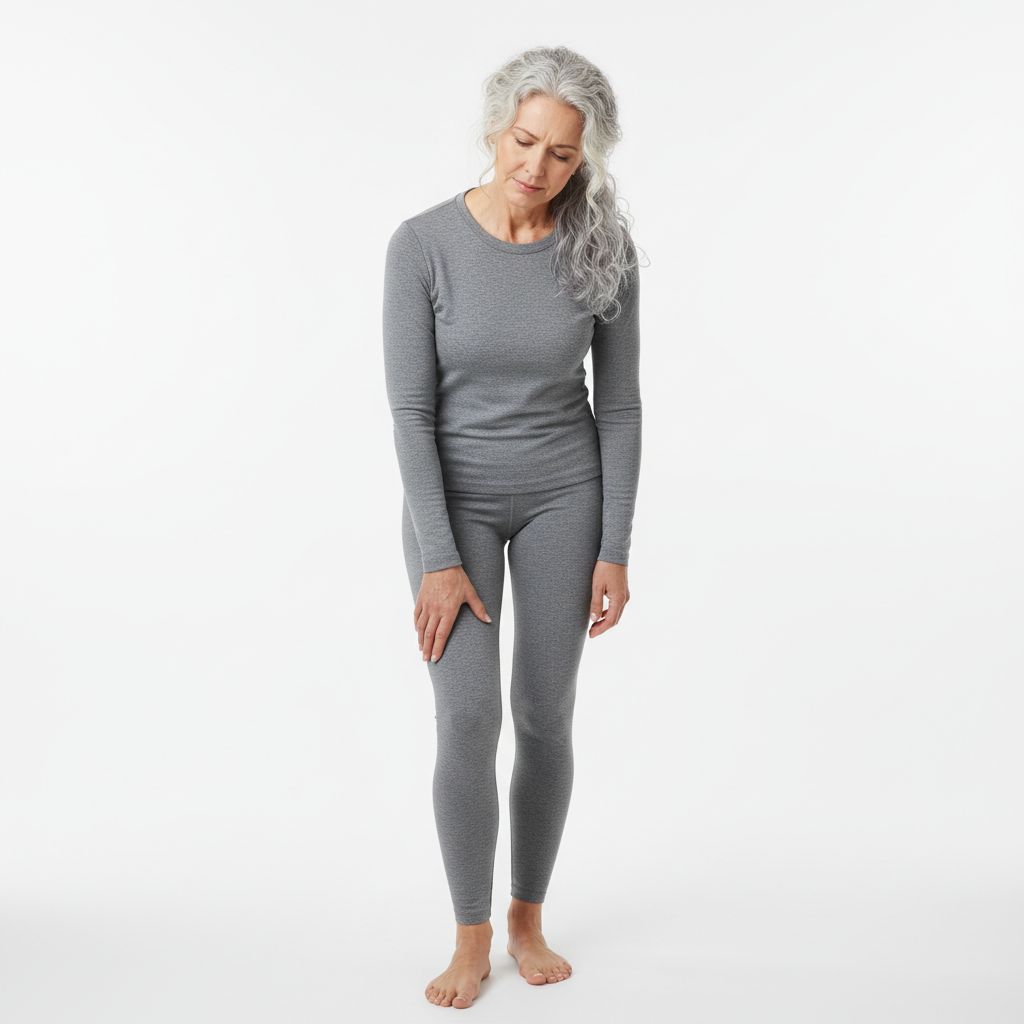
Online Pilates for Senior Beginners with Arthritis: Your Complete Safe-Start Guide
Arthritis doesn't mean giving up on fitness — it means finding the right approach. For seniors managing daily joint pain, online Pilates for senior beginners with arthritis has emerged as one of the most practical, accessible paths to staying active without the fear of making things worse. Unlike running or high-impact cardio, Pilates is built on slow, controlled movements that work with your body rather than against it — making it genuinely well-suited to arthritic joints at any stage.
And here's the thing — you don't need a studio, expensive equipment, or even a pain-free day to get started. With the right modifications, a safe setup at home, and a clear understanding of what your body needs, Pilates can help you rebuild strength, improve flexibility, and move through daily life with greater ease.
This guide covers everything — from safety principles and beginner-friendly exercises to choosing qualified online instructors — so you can start confidently and sustainably.
Key Takeaways
- Medical clearance from your doctor or rheumatologist must come before starting any Pilates practice, especially if you're managing active inflammation or taking pain medication.
- Pilates builds joint stability through core strengthening rather than rest, since prolonged inactivity actually weakens muscles around arthritic joints and increases pain.
- Starting with just two to three 15-minute sessions per week for the first two weeks allows your body to adapt safely, with most people noticing reduced stiffness and improved flexibility within four to eight weeks of consistent practice.
- Every Pilates exercise has modifications available — reduced range of motion, seated variations, or prop support — so limited mobility or pain in specific joints is never a barrier to participation.
- Qualified instructors hold certifications from recognized bodies like the Pilates Method Alliance or Stott Pilates and have explicit experience working with seniors and arthritis-specific modifications.
- Controlled breathing and slow, deliberate movement interrupt the pain-tension cycle by signaling your nervous system to relax muscles around inflamed joints, making breath work one of the most effective tools for moment-to-moment pain management.
Before You Begin: The Most Important Points
Before diving into the full guide, here's a quick overview of the most important things to keep in mind as you begin your journey with online Pilates for senior beginners with arthritis.
Get medical clearance first. Before starting any new exercise program, speak with your doctor, rheumatologist, or physical therapist — especially if you're managing active inflammation or taking pain medication. This step isn't optional; it's the foundation everything else is built on.
Pilates is genuinely arthritis-friendly. Unlike running or high-impact cardio, Pilates uses slow, controlled movements that glide through a joint's range of motion rather than pounding through it. That quiet, deliberate quality — the feeling of moving with intention rather than force — is exactly what makes it so well-suited to joint-friendly exercise.
Core strength protects your joints. Building abdominal and lower back strength through core strengthening exercises reduces the load placed on arthritic knees, hips, and spine during everyday activities.
The six core principles guide safe practice. Breath, control, centering, precision, flow, and alignment aren't abstract concepts — they're practical tools that protect vulnerable joints every time you move.
Start small, progress slowly. For the first two weeks, two to three short sessions of fifteen minutes each is enough. Consistency matters far more than duration or intensity.
Modifications exist for every exercise. Whether you're working with limited hip mobility, sensitive knees, or stiff shoulders, virtually every Pilates movement can be adapted. Flexibility exercises for older adults don't require full range of motion to be effective.
Flare-ups require a different approach, not a full stop. On difficult days, gentler modifications and shorter sessions keep your practice alive without aggravating inflammation.
Qualified instruction makes a real difference. When choosing online Pilates classes or platforms, look for instructors with recognized certifications and experience working with seniors and joint conditions.
Is Pilates Safe for People with Arthritis? What Research Shows
The most common question seniors with arthritis ask before starting any new exercise is simple: will this make things worse? It's a fair concern. But research on low-impact exercise and arthritis consistently points in the same direction — gentle, controlled movement helps far more than staying still.
Studies show that regular low-impact exercise reduces joint stiffness, improves functional strength, and can meaningfully decrease pain over time. Pilates fits squarely within this category. Its slow, deliberate movements create almost no jarring force on vulnerable joints — a stark contrast to the rhythmic pounding of running or the sudden impact of jumping. For seniors managing joint pain, that difference is everything.
One misconception worth clearing up: many people assume that if a joint hurts, rest is the answer. Prolonged inactivity, however, often leads to muscle weakness around the joint, which increases instability and pain. Gentle Pilates for seniors works precisely because it strengthens the muscles surrounding arthritic joints without overloading the joint itself. Think of it as building a natural brace from the inside out.
That said, Pilates is not a medical treatment. It complements your care plan — it doesn't replace your rheumatologist, your medication, or any other prescribed therapy. Think of it as a supportive tool that works alongside your existing treatment, not instead of it.
How Pilates Differs from High-Impact Exercise
Picture the difference between stepping off a curb and landing from a jump. One is controlled and quiet; the other sends a shockwave up through your ankles, knees, and hips. High-impact activities like running or aerobics generate significant ground reaction forces with every stride or landing — forces that arthritic cartilage is poorly equipped to absorb.
Pilates is the opposite experience. Movements are intentional and unhurried. There's no momentum carrying you through a range of motion your joints aren't ready for. Instead, joint-friendly exercises are performed with precision, so the muscles do the work — not gravity, not speed. You still build genuine strength and flexibility. You just get there without the impact.
This matters enormously for balance training in seniors, too. Because Pilates demands body awareness and controlled movement, it trains the neuromuscular coordination that prevents falls — without the risk that comes with faster-paced exercise formats.
The Role of Medical Clearance
Before you search for online Pilates classes or roll out a mat, one step comes first: talk to your doctor.
This isn't just a legal disclaimer. If you're managing active inflammation, taking corticosteroids, or dealing with joint damage in the spine, hips, or knees, your healthcare provider needs to know you're planning to start a new movement practice. A rheumatologist can flag any exercises to avoid. A physical therapist can offer specific Pilates modifications for arthritis that match your exact joint profile.
Clearance doesn't mean your doctor has to design your program. It means you're starting safely, with professional eyes on your health picture. That one conversation can be the difference between a practice that genuinely helps and one that inadvertently aggravates a sensitive joint.
Core Pilates Principles Adapted for Arthritis
Pilates wasn't built around intensity. It was built around intention — and that distinction matters enormously for anyone managing joint pain. The six foundational principles — centering, breath, control, precision, flow, and alignment — aren't just abstract concepts. For seniors doing online Pilates for arthritis, these principles act as a built-in protection system, guiding every movement so joints are supported rather than strained.
Think of it this way: where high-impact exercise asks the body to keep up, Pilates asks the body to tune in.
Breath and Relaxation: Reducing Tension in Painful Joints
Pain creates a predictable cycle. A joint flares up, surrounding muscles tighten instinctively to protect it, and that guarding creates additional stiffness and discomfort. Mindful breathing interrupts this cycle.
In Pilates, breath is never an afterthought. Inhaling through the nose and exhaling slowly through slightly parted lips — that quiet, steady sound of a controlled exhale — signals the nervous system to soften. Muscles surrounding inflamed joints begin to release their grip. Circulation improves. The joint gets a little more oxygen, a little more ease.
For low-impact exercise with arthritis, learning to breathe deliberately is often the first, most meaningful skill a beginner develops. And honestly? It's also one of the most effective natural tools for moment-to-moment pain management — something many people are genuinely surprised by.
Control Over Speed: Why Slow Movements Matter
Fast, ballistic movements rely on momentum to carry the body through a range of motion. Arthritic joints don't respond well to momentum — the sudden forces load cartilage and tissue unpredictably, often triggering inflammation.
Pilates does the opposite. Every movement is deliberate. Slow. Owned entirely by the person performing it. You're never rushing to keep up with a beat or a timer. The pace serves the body, not the other way around. That controlled approach is what makes joint-friendly exercises in Pilates fundamentally different from many fitness formats.
Alignment and Posture: Protecting Vulnerable Joints
Poor posture is quietly one of the biggest aggravators of arthritis symptoms — particularly in the spine, hips, and knees. When the body slumps or compensates for weakness in one area, load shifts unevenly across joints that aren't designed to carry it. Over time, that imbalance wears on already-compromised tissue.
Pilates places precise, consistent emphasis on alignment throughout every exercise. Core strengthening for seniors is central to this — a stronger, more stable trunk naturally supports better posture during movement and daily life. Proper alignment doesn't just look right. It feels different: a sense of length through the spine, weight evenly distributed, nothing bracing against itself. For flexibility exercises for older adults and balance training alike, that foundational alignment is what allows progress to build safely.
Safe Pilates Exercises for Seniors with Arthritis (and Key Modifications)
The exercises below are chosen specifically because they work with arthritic joints, not against them. Each movement builds something meaningful — strength, mobility, or flexibility — while keeping impact and joint stress to a minimum. Start gently, respect your body's signals, and remember that a small range of motion done well is always better than a large one done poorly.
Exercises for Core Strength (Lower Back and Abdominals)
Strong core muscles act like a natural brace for your entire skeleton. When your deep abdominals and lower back muscles are working properly, your hips, knees, and spine carry less load — which matters enormously for seniors managing arthritis day to day.
Pelvic Tilt
Lie on your back with knees bent and feet flat on the floor. Gently rock your pelvis so your lower back presses softly into the mat, then release. That subtle flattening sensation — the feeling of the mat rising to meet your spine — is your deep core quietly switching on. Inhale to prepare, exhale as you tilt. No gripping, no holding your breath.
Modification for hip or knee pain: Place a folded blanket under your knees to reduce joint angle. You can also perform this exercise seated in a firm chair, rocking your pelvis forward and back while keeping feet flat on the floor.
Glute Bridge
From the same starting position, press through your feet and slowly lift your hips toward the ceiling, one vertebra at a time. Hold briefly at the top, then lower with the same deliberate control. This low-impact exercise strengthens the glutes and hamstrings — key stabilizers for arthritic knees and hips.
Modification: Reduce the height of the lift if you feel knee strain. A half-bridge, where your hips rise only a few inches, still activates the target muscles effectively. Place a small pillow between your knees to maintain neutral hip alignment.
Modified Dead Bug
Lie on your back with arms pointing toward the ceiling and knees bent at ninety degrees (tabletop position). Slowly lower one heel toward the floor while keeping your lower back pressed into the mat, then return. Alternate sides. This core strengthening exercise for seniors teaches your trunk to stabilize while your limbs move — exactly the skill that protects arthritic joints during everyday activities like walking or reaching.
Modification: Keep the moving foot lightly touching the floor throughout rather than hovering. This reduces the demand on the core while preserving the stabilization benefit.
Exercises for Hip and Knee Mobility
Stiff hips and achy knees are among the most common arthritis complaints — and gentle, consistent movement is one of the most effective tools for keeping them functional. We see this pattern all the time: people avoid moving a painful hip because it hurts, the surrounding muscles weaken, and within a few weeks the joint feels even worse. These joint-friendly exercises focus on restoring range of motion without forcing or straining.
Lying Leg Lift
Lie on your back with one leg straight and the other bent for support. Slowly raise the straight leg to about forty-five degrees, pause, then lower it with control. You'll feel a mild engagement along the front of the thigh and deep into the hip flexor. This movement builds hip stability and gently challenges the knee joint through a pain-free arc.
Modification for limited mobility: Reduce the lift height significantly — even a ten- or fifteen-degree raise is beneficial. If lying flat is uncomfortable, perform seated leg extensions from a firm chair instead.
Clamshell
Lie on your side with hips and knees bent at roughly forty-five degrees, feet stacked. Keeping your feet together, slowly rotate your top knee upward like a clamshell opening, then lower with control. This targets the hip abductors — muscles that are often weak in seniors and that directly affect knee tracking and balance.
Modification: Reduce the range of the opening. Even a small rotation activates the target muscles. If lying on the floor is difficult, a firm couch or exercise bench works equally well.
Gentle Hip Circles
Standing near a wall or chair for support, shift your weight onto one leg and slowly draw small circles with the lifted knee. Keep circles small and unhurried. This flexibility exercise for older adults lubricates the hip joint and improves proprioception — your body's sense of where it is in space — which is foundational for balance training in seniors.
Modification: Keep the circle very small, almost imperceptibly so, if you feel any pinching or grinding. Never push into discomfort.
Exercises for Shoulder and Spine Flexibility
The upper body often gets overlooked in arthritis exercise plans, but shoulder stiffness and thoracic rigidity affect posture, breathing, and daily function. These movements are especially relevant for seniors experiencing neck or cervical spine sensitivity.
Shoulder Rolls
Sitting tall in a chair or on the mat, slowly roll your shoulders forward, up toward your ears, back, and down — drawing a smooth, unhurried circle. The sound of a quiet exhale as the shoulders drop back signals release in the upper trapezius, exactly where most people carry chronic tension. Reverse the direction. This gentle Pilates movement decompresses the shoulder joint and counteracts the forward rounding that worsens thoracic arthritis.
Modification for arthritic shoulders: Reduce the circle size. Focus on the backward-and-down portion of the roll — this opens the chest and is the most posturally beneficial phase. Avoid lifting the shoulders aggressively toward the ears if impingement is present.
Arm Circles
Standing or seated, extend one arm to the side and draw slow, controlled circles — small ones first, then gradually wider if comfortable. This builds shoulder mobility and challenges scapular stability without compressing the joint. Keep the movement fluid, never jerky.
Modification: Limit range to what is comfortable. Forward-facing, smaller circles in front of the body are far gentler than full lateral or overhead movement for inflamed shoulder joints.
Gentle Seated Spinal Twist
Sit upright in a firm chair with feet flat on the floor. Place one hand on the opposite knee and the other lightly on the chair back. On an exhale, rotate your ribcage — not just your neck — slowly in the direction of the chair back. Hold for two or three breaths, then unwind with the same care. This is one of the most accessible flexibility exercises for older adults because it improves thoracic rotation without loading the spine.
Cervical spine note: Let the head follow the ribcage naturally rather than leading the movement. Seniors with neck arthritis should keep the rotation very small and stop immediately if any sharp pain or tingling occurs.
How Often Should You Practice? Setting Realistic Goals and Frequency
Consistency beats intensity every time — especially when arthritis is part of the picture. For seniors beginning online Pilates, the goal isn't to do the most; it's to do enough, regularly, that your body starts to respond. Aim for three to four sessions per week once you're settled in, keeping each one between 20 and 30 minutes. That modest commitment, sustained over weeks, is what builds the core strength, flexibility, and joint stability that actually make a difference.
Most people notice something meaningful — less morning stiffness, a little more ease climbing stairs — within four to eight weeks of consistent, joint-friendly exercise. Not overnight. But steadily.
Starting Slow: The First Two Weeks
Think of the first two weeks as a conversation with your body, not a performance. Start with two or three sessions, each no longer than 15 minutes. That might feel almost too gentle. That's exactly the point.
Pay close attention to how your joints feel during those first sessions — not just in the moment, but the following morning. That quiet, heavy ache you sometimes feel the day after overdoing it is your body signaling that it needs a slower ramp-up. Honour that signal. Adjust the duration or intensity before your next session, not after the damage is done.
Building Consistency Without Overexertion
Once your body is responding well, build gradually — add five minutes to a session, or introduce one extra practice day per week. Never both at once. Rest days aren't wasted days; they're when muscle tissue repairs and joints recover.
Two common mistakes beginners make: skipping the warm-up to save time, and pushing through sharp or stabbing pain. Sharp pain is a stop sign, not an inconvenience. Low-impact exercise for arthritis works precisely because it respects these limits rather than ignoring them.
Managing Flare-Ups and Adapting Your Practice
Flare-ups happen. They don't erase your progress, and they don't mean Pilates has stopped working for you. During a flare, shorten your session to 10 minutes of the gentlest Pilates modifications available — seated breathing, slow shoulder rolls, supine pelvic tilts with minimal range. Movement, even minimal movement, supports circulation and can ease stiffness.
If a joint is visibly swollen or the pain is severe, rest completely and contact your healthcare provider before returning to practice. Water-based exercise is a useful alternative during difficult flare periods — the buoyancy reduces load on painful joints while keeping you active. Think of it as a bridge, not a replacement.
Equipment and Space: What You Need for Home Practice
One of the quiet joys of online Pilates for senior beginners with arthritis is realizing how little you actually need to get started. No gym membership. No expensive reformer machine. Just a few basics and a corner of your home.
Essential vs. Optional Equipment
Think of your equipment in three tiers.
Must-haves are a non-negotiable yoga or exercise mat and a firm pillow or folded blanket. The mat cushions your spine and hips during floor-based joint-friendly exercises, while a pillow supports your head and neck — particularly important if cervical arthritis is part of your picture. That's genuinely all you need for your first session.
Nice-to-haves include a light resistance band (typically a low-tension loop or flat band). As your core strengthening progresses and your joints grow more accustomed to gentle Pilates movements, a band adds subtle resistance to leg and arm work without loading arthritic joints the way weights can. A small rolled towel also works beautifully as a makeshift prop under the knees during bridge exercises.
Luxuries — things like foam rollers, bolsters, or balance pads — are worth exploring later as flexibility exercises for older adults progress. They're not necessary at the start.
Setting Up Your Home Pilates Space
The ideal practice area doesn't need to be large. You need enough room to extend both arms and legs fully while lying down — roughly a six-foot by four-foot space. That's it.
Lighting matters more than most people expect. Soft, even light makes it easier to relax into low-impact exercise, and it reduces the visual tension that can subtly tighten muscles around inflamed joints. A warm room — around 68–72°F — keeps muscles pliable and joints from stiffening during movement.
Firm flooring covered by your mat beats a thick carpet, which can shift underfoot and compromise balance training for seniors. Hardwood or tile with a quality non-slip mat is the sweet spot. Simple, affordable, and ready in minutes.
Finding Qualified Online Instructors and Choosing the Right Platform for You
Not every online Pilates instructor is the right fit for a senior managing arthritis. Knowing what to look for before you commit to a platform or teacher can save you weeks of frustration — and protect your joints in the process.
Instructor Certifications and Qualifications
Certification matters more than a polished website or a large social media following. Look for instructors credentialed through recognized bodies: the Pilates Method Alliance (PMA), Balanced Body, Stott Pilates, or NASM's Pilates certification track. Physical therapists who have added Pilates training to their background bring an especially valuable combination of clinical knowledge and movement expertise — particularly useful when joint pain is part of the picture.
Beyond credentials, experience with older adults and arthritis-specific conditions is what truly sets an instructor apart. Don't hesitate to ask directly: Have you worked with seniors managing joint pain? Are you familiar with Pilates modifications for arthritis? A confident, detailed answer tells you a lot. A vague one tells you just as much.
Private Instruction vs. Group Classes: When to Choose Each
One-on-one virtual sessions give you something group classes simply can't: a second pair of eyes watching only you. For online Pilates for senior beginners with arthritis, that personalized attention can mean the difference between a modification that actually helps and one that quietly worsens joint strain. Imagine hearing your instructor say, "Soften your left knee just slightly — there, that's it" — that real-time correction, delivered calmly and precisely, is worth a great deal early on.
Group classes offer their own rewards. They cost less, create a sense of community, and the collective energy of other participants can be genuinely motivating on days when getting started feels hard. A practical approach: begin with a handful of private sessions to build confidence and understand your body's specific needs, then transition into group classes once you feel secure in the foundational movements.
What to Look for in an Online Class or Platform
Clear verbal cueing is non-negotiable. When you can't feel a teacher's hand guiding your shoulder back into alignment, their words have to do that work instead. Look for instructors who describe sensation — "feel your lower back gently pressing toward the mat" — rather than relying solely on visual demonstration.
On-demand video formats offer a practical advantage for arthritis beginners: you can pause, rewind, and replay any movement at your own pace, without the pressure of keeping up with a live class. Platforms that offer both live and on-demand options give you the most flexibility to adapt around good days and more difficult ones. Prioritize platforms that include visible modifications in every session and, ideally, allow you to message or interact with the instructor when questions come up.
FAQ: Common Questions Senior Beginners Ask About Pilates and Arthritis
These questions come up again and again from seniors who are curious about Pilates but unsure where to begin. Here are honest, straightforward answers.
Is online Pilates for senior beginners with arthritis actually safe?
For most people, yes — but "safe" depends on getting medical clearance first and choosing appropriate modifications. Pilates is one of the most widely recommended low-impact exercises for arthritis precisely because its slow, controlled movements place minimal stress on inflamed joints.
Can a complete beginner with limited mobility do this?
Absolutely. Gentle Pilates for seniors is designed to meet you where you are. Many exercises begin lying down or seated, so limited standing tolerance isn't a barrier.
What equipment do I need to start?
A firm, non-slip mat and a small pillow for joint support are genuinely all you need on day one. Everything else — resistance bands, foam rollers — is optional and can be added gradually.
How often should I practice?
Two to three short sessions per week is a sensible starting point. Consistency matters far more than duration; even fifteen quiet minutes, feeling your spine lengthen against the mat, builds meaningful progress over time.
How is Pilates different from other low-impact exercise like yoga or swimming?
Pilates uniquely combines core strengthening for seniors with precise postural alignment and breath control — making it especially effective for the joint stability and balance training that seniors with arthritis need most.
Should I choose private instruction or group online Pilates classes?
If budget allows, start with a few private sessions to establish safe form, then transition to group classes. Either way, look for instructors who explicitly offer Pilates modifications for arthritis.
How long before I notice results?
Most beginners report improved flexibility and reduced stiffness within four to six weeks of consistent practice. Strength and balance gains often follow shortly after. Patience here isn't passive — it's part of the process.
Getting Started This Week: Your First Steps
Starting Pilates this week doesn't require a perfect plan. It requires one small, honest step.
Day 1–2: Get medical clearance. Before any joint-friendly exercise begins, a quick conversation with your doctor or rheumatologist is non-negotiable. Mention that you're interested in gentle Pilates for seniors specifically — not cardio, not weight training. Ask whether your current medications or inflammation levels require any extra caution. This single step gives you the confidence to move without second-guessing yourself.
Day 3: Choose your space. Walk through your home and find a spot where you can lie down fully without bumping furniture. Notice how the floor feels underfoot — is it firm enough to feel stable, soft enough to be comfortable? Good lighting matters too, especially if you're following along with online Pilates classes and need to see the instructor clearly. A warm, quiet room makes a real difference when you're asking stiff joints to relax.
Day 4: Gather your basics. You need very little to start. A non-slip mat, a firm pillow for joint support, and comfortable clothing are enough for your first week. That's it.
Day 5–6: Try one short session. Look for a beginner-focused video that emphasizes Pilates modifications for arthritis — something under twenty minutes. Pelvic tilts, shoulder rolls, gentle breathing work. Don't aim for perfect form. Aim for finishing. One woman who joined a beginner seniors class said she spent the entire first session just learning to exhale slowly — and left feeling less stiff than she had in months. That's what a first session looks like. Flexibility exercises for older adults improve gradually, and yours is simply about learning how your body responds to slow, intentional movement.
Day 7: Write it down. Take five minutes to journal. Did your hips feel less stiff afterward? Did your lower back feel supported during core strengthening? Were you surprised by anything? This reflection helps you track progress long before a stopwatch or scale ever would.
Seven days. Five steps. No pressure to perform — only permission to begin.
Conclusion: Pilates as a Long-Term Tool for Joint Health
Arthritis changes the way you move through the world. But it doesn't have to shrink it.
Over the course of this guide, you've seen how online Pilates for senior beginners with arthritis isn't about pushing harder — it's about moving smarter. Gentle Pilates for seniors works precisely because it respects your body's current limits while quietly, steadily expanding them. The controlled breathing that eases tension around inflamed joints. The slow, deliberate movements that build core strength without grinding cartilage. The careful alignment work that stops one stiff hip from pulling everything else out of balance. These aren't workarounds. They're the method.
The benefits compound over time. Consistent low-impact exercise for arthritis leads to real, measurable change — stronger stabilizing muscles that take pressure off vulnerable joints, improved flexibility that makes mornings feel less like negotiation, better balance that restores confidence on uneven ground. Posture improves. Pain levels often settle. And there's something quietly satisfying about finishing a session and realizing your shoulders dropped two inches from where they started.
None of this happens overnight. Four to eight weeks of regular practice is a realistic window to notice meaningful shifts. The key word is regular — not perfect, not intense, just consistent. Rest on flare-up days. Shorten sessions when energy is low. Come back. That rhythm, repeated over months, is where the real transformation lives.
Arthritis doesn't disqualify anyone from this practice. It just asks for a more thoughtful entry point. If you want a structured place to begin, the 99 Pilates Exercises manual from Elia Move covers every exercise in this guide — and 80 more — with clear illustrations and step-by-step instructions you can work through at your own pace, in your own living room, on your own terms.
Frequently Asked Questions
Is Pilates safe for people with arthritis?
Yes, Pilates is generally considered safe and even beneficial for arthritis because it emphasizes controlled, low-impact movements that don't jar your joints. The slow pace and focus on alignment allow you to work within your comfortable range of motion, and many people find that gentle Pilates actually reduces stiffness over time. That said, it's always wise to check with your doctor or physical therapist before starting, especially if you have severe arthritis in specific joints.
Can I do Pilates if I'm a complete beginner with limited mobility?
Absolutely — Pilates is actually ideal for beginners with limited mobility because every movement can be modified to match where you are right now. You can start seated, use props like cushions or resistance bands, or simply reduce your range of motion while still engaging the
Frequently Asked Questions
- Is Pilates safe for people with arthritis?
- Yes, Pilates is generally considered safe and even beneficial for arthritis because it emphasizes controlled, low-impact movements that don't jar your joints. The slow pace and focus on alignment allow you to work within your comfortable range of motion, and many people find that gentle Pilates actually reduces stiffness over time. That said, it's always wise to check with your doctor or physical therapist before starting, especially if you have severe arthritis in specific joints.
- Can I do Pilates if I'm a complete beginner with limited mobility?
- Absolutely—Pilates is actually ideal for beginners with limited mobility because every movement can be modified to match where you are right now. You can start seated, use props like cushions or resistance bands, or simply reduce your range of motion while still engaging the right muscle groups. Online classes for seniors often include these modifications built in, so you're never forced to do something that doesn't feel right for your body.
- What equipment do I need to start online Pilates at home?
- Honestly, you need almost nothing to begin—a yoga mat (or even a towel on carpet), comfortable clothes, and enough space to lie down or sit comfortably. As you progress, props like a small cushion, resistance band, or light hand weights can deepen your practice, but they're optional. Many online programs designed for seniors deliberately keep equipment minimal so the focus stays on quality movement rather than gear.
- How often should seniors with arthritis practice Pilates?
- Most experts suggest 2–4 sessions per week of 20–45 minutes as a sustainable sweet spot for seniors managing arthritis. Consistency matters more than intensity, so three moderate sessions weekly will likely serve you better than one intense session followed by rest days. Listen to your body—if a joint feels aggravated, take an extra day off, but aim for a regular rhythm so your muscles and joints adapt to the movement.
- What's the difference between Pilates and other low-impact exercises for arthritis?
- Pilates is unique because it combines controlled strength work with mobility and body awareness in ways that swimming or walking alone don't—you're actively stabilizing your joints while moving, which actually builds protective support around them. While cycling or water aerobics are excellent low-impact options, Pilates offers more precise, joint-friendly resistance training without equipment, making it especially practical for home practice. The real advantage for arthritis is that Pilates teaches alignment and control, which translates into better movement patterns in daily life.
- Do I need a private instructor or can I start with group classes?
- You can absolutely start with online group classes—they're affordable, convenient, and many are specifically designed for seniors with arthritis, so you'll see modifications modeled in real time. However, if you're worried about form or have very specific joint concerns, a session or two with a private instructor (in person or virtual) can be invaluable for building confidence and making sure you're moving safely. Many people do best with a hybrid approach: a private session or two to learn the basics, then group or self-guided classes at home for ongoing practice.
- How long before I see improvements in flexibility and joint pain?
- Some people notice looser, less stiff joints within 2–3 weeks of consistent practice, while meaningful improvements in strength and pain levels typically emerge over 6–8 weeks. Results vary widely depending on the severity of your arthritis, how often you practice, and your starting point, so patience is important. The key is sticking with it regularly rather than expecting overnight changes—Pilates works gradually, but the effects tend to compound, leaving many seniors surprised by how much easier daily activities become after a couple of months.