Article · July 19, 2026
Gentle Exercise Online: Low-Impact Routines You Can Do at Home
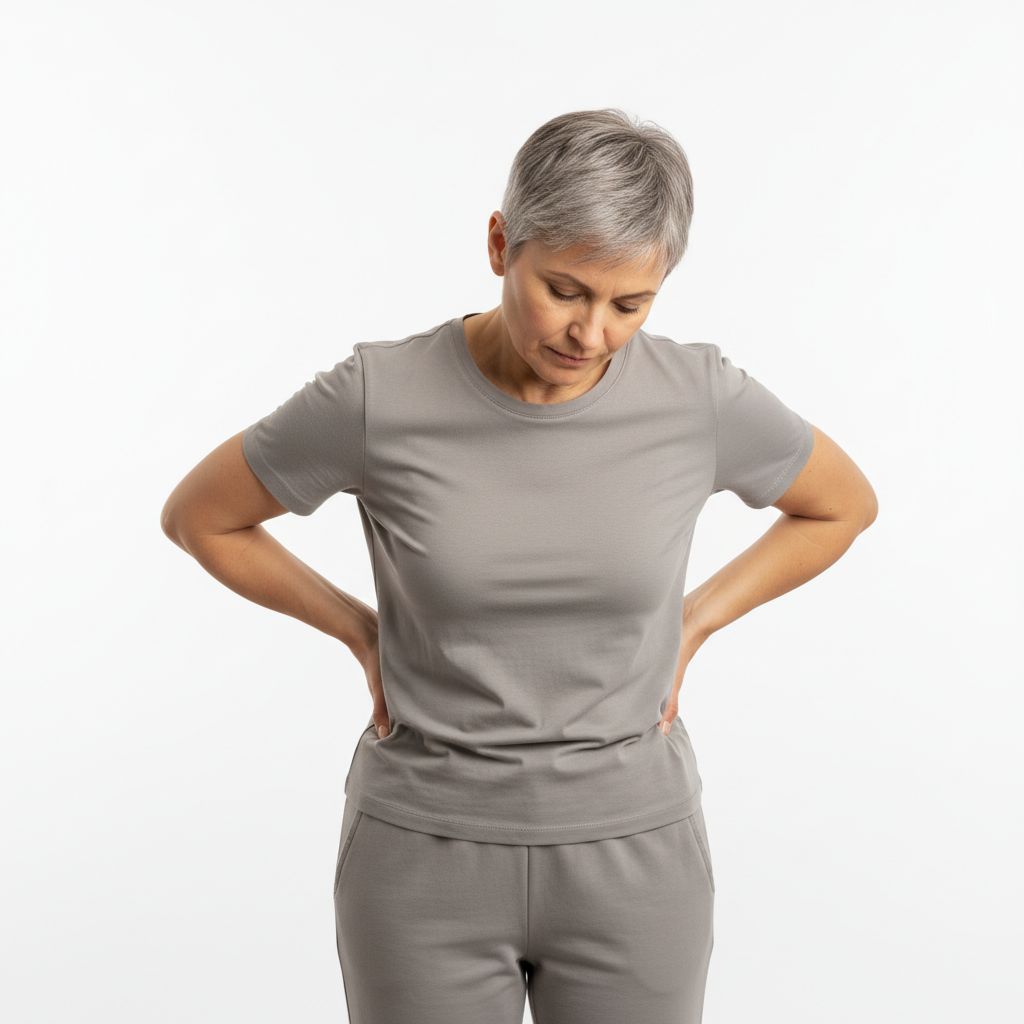
Gentle Exercise Online: Low-Impact Routines You Can Do at Home
If you're looking for exercise that fits your body — not the other way around — gentle exercise online offers a refreshing alternative to high-intensity fitness culture. Whether you're recovering from an injury, managing chronic pain, navigating the physical changes that come with age, or simply prefer a more mindful approach to movement, accessible routines you can do at home have a lot more to offer than most people expect.
Low-impact doesn't mean low-effort, and it certainly doesn't mean low-results. Research consistently shows that controlled, gentle movement builds real strength, improves balance, eases joint pain, and supports mental wellbeing — without the recovery time or injury risk that harder workouts can bring.
And honestly? You don't need a gym membership, expensive equipment, or an hour to spare.
This guide walks you through everything — from beginner-friendly routines and chair-based options to modifications for specific conditions and practical advice on building a weekly schedule that actually sticks.
Key Takeaways
- Gentle exercise builds real strength, improves balance, and reduces chronic pain as effectively as high-intensity workouts, but with lower injury risk and better long-term adherence.
- Three to five sessions per week of 15–30 minutes each — rather than occasional long workouts — produces measurable results in flexibility and functional strength within 4–8 weeks.
- Your body and a clear patch of floor are sufficient to start; a chair, mat, and household items like blankets provide all the equipment needed for most low-impact routines.
- Progression happens through holding positions longer, adding 2–3 reps weekly, or reducing reliance on wall or chair support — not by jumping to high-impact movements or doubling intensity.
- Distinguishing between healthy muscle effort (low, steady warmth) and pain (sharp or joint-specific sensation) is essential; stopping at the first signal prevents re-injury and builds body awareness.
- A consistent daily ritual — unrolling your mat at the same time each morning — transforms an exercise routine into a sustainable habit more reliably than perfecting individual sessions.
Why Gentle Exercise Online Works for Everyone
There's a persistent myth in fitness culture that if you're not gasping, sweating through your shirt, or feeling demolished the next morning, you haven't really worked out. Gentle exercise challenges that assumption — and the evidence backs it up. Research consistently shows that low-impact movement builds meaningful strength, improves cardiovascular health, and reduces chronic pain, often more sustainably than high-intensity approaches that lead to burnout or injury.
Here's the thing — the appeal of finding gentle exercise online goes beyond convenience. It removes the social pressure of a gym environment, lets you pause when you need to, and allows your body to dictate the pace. That quiet sense of control matters enormously, especially for people returning to movement after a difficult period.
Who Benefits Most from Low-Impact Online Exercise
The honest answer? Almost everyone. But certain people find low-impact exercises online genuinely life-changing.
Seniors navigating balance changes or stiff joints often discover that options like chair yoga give them back a sense of physical agency they feared was gone. People recovering from surgery, fractures, or muscle injuries use adapted fitness online to rebuild carefully, without risking setbacks. Those managing conditions like arthritis, fibromyalgia, or chronic lower back pain find that consistent, gentle movement — rather than rest — is often what their bodies actually need.
Beginners benefit too. Starting a beginner home workout with no prior fitness experience is far less intimidating when you're on your own mat, in your own living room, moving at your own pace. Pregnant individuals looking for safe, low-strain options, or anyone who simply wants movement that feels good rather than punishing — all of them belong here.
The Real Benefits Beyond 'Just' Gentle
Think about the feeling of moving through a slow, deliberate stretch first thing in the morning — that warm release spreading through your hips and spine as tension quietly dissolves. That sensation isn't incidental. It's functional change happening in real time.
Gentle stretching routines and mobility exercises at home produce measurable gains: improved joint range of motion, stronger stabilising muscles, better posture, and enhanced coordination. Core strength built through controlled, low-impact movement translates directly into everyday life — carrying groceries, getting up from a chair, walking without discomfort.
Mental clarity is another underrated gain. Studies show regular movement — even short sessions of fifteen minutes — reduces anxiety and improves mood through neurochemical changes. Recovery exercises, done consistently, also reduce the inflammatory markers associated with chronic pain. Low-impact doesn't mean low-result. It means smarter, more sustainable progress.
Time-Efficient Gentle Exercise Routines (7–20 Minutes)
One of the most common barriers to starting any exercise habit is time. But gentle exercise online doesn't need an hour-long commitment to be worthwhile. Research consistently shows that shorter, consistent sessions outperform occasional long ones — and the routines below are designed to fit into the real gaps in your day.
15-Minute Full-Body Gentle Routine
This is the sweet spot for most beginners: long enough to feel the work, short enough to never feel daunting.
Start with a 2-minute warm-up — slow neck rolls, shoulder circles, and gentle hip shifts side to side. The goal here is simply to bring warmth into the joints before asking anything of them.
The 10-minute strengthening block draws on modified Pilates and bodyweight movements: controlled leg lifts lying on your back, gentle bridges that lift the hips just a few inches off the floor, and seated twists that wring tension out of the mid-spine. You'll feel a quiet, steady burn in the glutes and deep core — not sharp or forceful, just present.
Finish with a 3-minute cool-down: a supine spinal twist held on each side, a gentle chest opener, and slow, deliberate breathing. That final breath-work stretch is where many people notice the session most — a soft release across the shoulders that carries into the rest of the afternoon.
7-Minute Mobility and Recovery Flow
When time is genuinely tight, seven minutes still matters. This flow focuses on joint mobility and breathing rather than strength — ideal first thing in the morning or as a reset between long stretches of desk work.
Move through cat-cow, figure-four hip openers lying on your back, and standing calf raises against a wall. Keep the pace slow and deliberate. This isn't about effort — it's about circulation, range of motion, and signalling to your nervous system that movement is safe. These mobility exercises at home require nothing but floor space and a willingness to slow down.
Chair-Based Routine for Limited Mobility
Accessible, effective, and entirely underrated — a seated routine is one of the best entry points for seniors, anyone recovering from surgery, or people who simply aren't ready for floor work yet.
From a sturdy chair, you can accomplish a surprising amount. Seated marches get the heart rate gently moving. Overhead arm circles build shoulder mobility. Seated heel raises strengthen the calves and improve circulation in the lower legs.
Add in a few controlled seated twists and a simple seated forward fold, and you've covered strength, mobility, and flexibility — all without standing up once. We see this all the time: once the chair is there, the first rep is always easier to attempt. Stability removes fear, and fear is often what keeps people from moving at all.
Equipment-Free Options: What You Actually Need
One of the biggest reasons people put off starting a gentle exercise online routine is the assumption that they need equipment first. A proper mat. Resistance bands. Maybe a foam roller. The list quietly grows until getting started feels like a project rather than a movement.
Here's the truth: your body and a small patch of floor are genuinely enough.
A supportive chair and a bit of clear space cover the vast majority of low-impact exercises online — from mobility exercises at home to foundational strength work. Optional props like resistance bands, a foam roller, or a firm cushion can add variety later, but they are extras, not entry requirements. Don't let the absence of gear become an excuse.
Bodyweight-Only Movements
Bodyweight training gets underestimated precisely because it sounds too simple. It isn't. Lying leg lifts require you to feel the slow, deliberate pull of your lower abdominals engaging as you lower your leg toward the floor — that quiet, deep burn is real work.
Wall push-ups build shoulder and chest strength with zero joint compression. Standing balance exercises challenge your stabiliser muscles in ways machines never quite replicate. Floor core movements like pelvic tilts and dead bugs build the kind of functional strength that matters for everyday life. For beginner home workouts especially, bodyweight is the ideal starting point — it teaches body awareness before adding any external load.
Household Items as Props
Your home is already full of useful support. A sturdy dining chair provides the same stability as a ballet barre — useful for standing balance work or seated adapted fitness exercises. A folded blanket or firm pillow softens floor work and supports knees during gentle stretching routines.
A wall becomes a backrest, a balance aid, or a gentle resistance surface for standing exercises. Stairs, if you have them, allow simple step-up variations that add light cardiovascular challenge without impact. None of this needs to look polished. It just needs to happen.
Modifying Gentle Exercises for Specific Conditions
Movement is rarely one-size-fits-all. If you're managing a health condition or recovering from injury, the gap between "gentle exercise" and "right for my body" can feel enormous — but with the right modifications, adapted fitness online is genuinely within reach for almost everyone.
A word before you begin: these suggestions are general starting points, not medical advice. Always check with your healthcare provider before starting any new routine, particularly if you're post-surgery or managing a diagnosed condition.
Modifications for Back Pain
Back pain is one of the most common reasons people search for low-impact exercises online — and one of the most mismanaged. Many people either push through movements that aggravate the spine, or stop moving altogether. Neither helps.
The key is building core strength without compression or strain. Avoid full sit-ups, toe touches with straight knees, or any movement that causes that familiar deep ache at the base of your spine. Instead, try pelvic tilts: lying on your back with knees bent, gently pressing your lower back into the floor as you exhale. You'll feel the subtle engagement of deep abdominal muscles — not a crunch, more like a slow tightening.
Wall-supported dead bugs and supported cat-cow on a padded mat are excellent alternatives to floor core work that loads the spine. Mobility exercises at home, like gentle thoracic rotation in a seated position, can relieve the stiffness that often compounds back pain without asking anything risky of the lumbar region.
Adaptations for Joint Pain and Arthritis
Cold, stiff joints need warming before they're asked to work. A five-minute warm-up — slow arm circles, gentle ankle rolls, seated marching — makes a significant difference in how joints feel and function throughout the session. Think of it as giving your body time to arrive before the work begins.
For anyone managing arthritis or general joint pain, the guiding principle is reduced range of motion with maintained control. A shallow squat holding a chair back asks far less of inflamed knee joints than a full-depth squat, yet still builds the supporting quad and glute strength that protects those joints long term. Chair yoga for seniors follows this same logic — stable, supported, low-range movement that respects where your joints are today.
Distribute weight evenly when standing. Favour bilateral exercises — both limbs working together — over single-leg work early on. And if a joint feels hot or acutely swollen, rest it. Gentle doesn't mean ignoring signals.
Post-Injury Progression
Returning to movement after injury is a process, not an event. Rushing it is the single most common reason people re-injure themselves.
Take someone returning to movement after a knee injury — she starts with five minutes of seated ankle circles and gentle quad engagement, nothing more. Within three weeks, she's doing supported standing work. That patient, incremental build is exactly what the research supports, and what most people skip when they're eager to feel normal again.
A sensible progression moves through three broad stages. First, passive mobility — gentle range-of-motion movements where the joint is guided rather than driven, often supported by a wall or your own hands. Next, active-assisted movement, where you begin using the muscles around the injured area with light assistance from a prop or surface. Finally, light strengthening, introducing small loads or resistance only once pain-free movement is consistent.
Medical clearance matters enormously here. Once you have that guidance, beginner home workouts built around slow, controlled repetitions — not speed or load — give the healing tissue exactly the stimulus it needs without overwhelming it. Patience at this stage isn't passive. It's doing the quiet, unglamorous work that builds a body you can rely on for years.
Structuring Your Gentle Exercise Routine: Frequency and Progression
Consistency is the secret ingredient that gentle exercise online actually rewards. Unlike high-intensity programs that demand recovery days between brutal sessions, low-impact movement can become a near-daily habit your body genuinely looks forward to.
Building a Weekly Schedule That Sticks
Aim for three to five sessions per week, each lasting between 15 and 30 minutes. That might sound modest, but 15 minutes four times a week adds up to an hour of purposeful movement — enough to build real functional strength over time.
A simple alternating structure works well for most people:
- Monday / Wednesday / Friday — gentle strengthening (core work, controlled leg lifts, supported bridges)
- Tuesday / Thursday — mobility and recovery flow (gentle stretching routines, joint circles, breathing work)
- Weekend — one active rest day, one complete rest day
The quiet satisfaction of unrolling your mat at the same time each morning — that small, familiar ritual — is often what turns a routine into a habit. Pick a consistent time slot, even if it shifts occasionally. Regularity matters far more than perfection.
Progressing Without Jumping to Intensity
When beginner home workouts start feeling comfortable, the instinct can be to chase harder. Resist it. Progression in low-impact exercises online doesn't mean adding jumps or doubling duration overnight — it means refining what you already do.
Try these gradual steps instead: hold positions a few seconds longer, increase repetitions by two or three each week, or reduce how much you lean on a wall or chair for stability. Eventually, add a light resistance band to movements you've already mastered. Each small adaptation teaches your nervous system and muscles to work more efficiently, building genuine strength without the injury risk that comes from rushing.
Recovery exercises and adapted fitness online are built on this principle: slow, intentional progress compounds. Four weeks of steady practice feels different in your body — steadier, more spacious — than one week of heroic effort followed by soreness and dropout.
Frequently Asked Questions About Gentle Exercise Online
Are gentle exercises effective for fitness improvements?
Absolutely — and this is one of the most important myths to lay to rest. Low-impact doesn't mean low-result. Consistent gentle exercise builds real, functional strength, improves balance, increases flexibility, and supports cardiovascular health over time.
What it won't do is promise dramatic, rapid weight loss — and that's actually fine. The gains here are quieter but lasting: you move through your day with less stiffness, climb stairs without bracing yourself, and carry groceries without strain. Research consistently shows that controlled, low-intensity movement produces meaningful improvements in strength and mobility, particularly for people who stick with it. That steady, cumulative progress is worth more than a punishing session you dread repeating.
What equipment do I need to start?
Nothing you don't already own. Your bodyweight, a patch of floor, and a sturdy chair cover the vast majority of beginner home workouts. A yoga mat adds cushioning and grip — that satisfying soft press under your palms as you lower into a stretch — but a folded blanket works just as well. A small cushion can support your lower back during floor work. That's genuinely it. Don't let equipment anxiety delay your first session.
How often should I exercise to see results?
Aim for three to five sessions per week, each lasting between 15 and 30 minutes. Consistency matters far more than duration. Most people notice meaningful changes — improved flexibility, less morning stiffness, better mood — within four to eight weeks of regular practice. Missing a day is irrelevant. Missing every day is what stalls progress.
Can gentle exercises help with chronic pain?
Often, yes. Controlled movement — particularly mobility exercises at home and gentle stretching routines — can reduce pain sensitivity and restore function over time. The experience is individual, though. What helps one person may not suit another. Always consult your healthcare provider before starting, and treat their guidance as your baseline, not a barrier.
How do I modify exercises for my specific limitations?
Start by reducing your range of motion — you don't need to go deep to get results. Use a wall or chair for stability, slow your pace down, and remove any movement that involves impact or sudden direction changes. Adapted fitness online works precisely because these adjustments are built in, not bolted on as an afterthought.
The condition-specific section earlier in this guide covers common scenarios in more detail. Above all, trust your body's signals — a gentle challenge is welcome; sharp or worsening discomfort is a reason to stop.
Getting Started: Your First Gentle Exercise Session
The hardest part isn't the exercise. It's deciding to begin.
If you've been putting off starting a gentle exercise routine online because you're not sure you're "ready," here's the truth: there is no readiness threshold to cross. You just start, imperfectly, today.
Creating Your Home Exercise Space
You don't need a studio, a rack of equipment, or a spotless spare room. A clear patch of floor roughly six feet by six feet is enough to do almost any low-impact or mobility exercise at home. Push the coffee table to one side, roll back the rug, and you have a workout space.
Natural light helps — there's something grounding about the soft warmth of morning sun coming through a window while you move slowly through a gentle stretch. A well-lit corner at any time of day works fine too. Wear whatever is comfortable and doesn't restrict movement: leggings, loose trousers, a soft t-shirt. Bare feet or grippy socks are ideal for floor work.
Your setup doesn't need to look good on camera. Consistency beats aesthetics every single time.
When you're ready to begin, spend the first two to three minutes simply breathing and moving through easy ranges — shoulder rolls, slow neck turns, gentle ankle circles. This isn't wasted time. It's the foundation that makes everything that follows safer and more effective.
Listening to Your Body: Pain vs. Effort
This distinction matters enormously, especially for beginners or those returning after injury. Healthy effort feels like mild muscle engagement — a low, steady warmth in the working area. It's noticeable, but not alarming.
Pain is different. Sharp, sudden, or joint-specific sensations are signals to stop, not push through. So is any feeling of dizziness or breathlessness disproportionate to the movement.
Between those two poles, there's a wide, forgiving middle ground where almost all gentle and recovery exercises live. Stay there. Reduce your range of motion if something doesn't feel right. Slow down. Take a rest breath. Trusting your body's signals isn't weakness — it's the most intelligent training decision you can make.
Conclusion
There's something quietly powerful about rolling out a mat in your own living room, the floor cool beneath your feet, and simply beginning.
Gentle exercise online has made that beginning easier than ever. No commute, no gym membership, no comparing yourself to the person on the treadmill next to you. Just you, your body, and movement that meets you where you are. Whether you've been exploring chair yoga, easing back in with recovery exercises after an injury, or building your very first beginner home workout from scratch — the barrier to entry has never been lower.
And the results are real. Improved balance, less stiffness, a stronger core, steadier breathing, and a calmer mind. Low-impact exercises online aren't a compromise. They're a choice — one that prioritises longevity over punishment.
Mobility exercises at home, gentle stretching routines, short targeted sessions — these are sustainable in a way that gruelling workouts rarely are. Adapted fitness online means that whatever your age, ability, or starting point, there is a version of movement that works for your body. Not despite your limitations. Around them.
Starting is the hardest part. Not the exercises themselves — just the decision to begin. Once you've moved through even a single seven-minute flow and felt your shoulders drop away from your ears, you'll understand why people stick with this.
Progress doesn't have to look dramatic. It looks like showing up three mornings a week. It looks like an exercise that felt hard last month feeling easy today. It looks like choosing gentle exercise online, consistently, over time.
If you want a structured place to start, the 99 Pilates Exercises manual from Elia Move offers clear illustrations and step-by-step instructions for every level — a practical companion for building a home practice that actually fits your life.
Frequently Asked Questions
Are gentle exercises effective for weight loss and fitness improvements?
Absolutely — gentle exercises can support both weight loss and fitness improvements, though the timeline may differ from high-intensity workouts. Consistent gentle movement boosts metabolism, builds lean muscle, improves cardiovascular health, and helps create the calorie deficit needed for weight loss. The real advantage is sustainability: because gentle exercise is easier on your joints and less likely to cause burnout or injury, many people stick with it long-term, and that's where real results happen.
What equipment do I need to start gentle online exercises at home?
The beauty of gentle exercise is that you often need nothing at all — just your body and a mat or soft surface. If you want to add variety, a yoga mat, resistance bands, and light dumbbells are affordable additions that expand your options. As you progress, props like foam rollers, cushions, or blocks can deepen your practice, but they're entirely optional. Most online gentle exercise classes guide you through modifications using whatever you have available.
How often should I do gentle exercises to see results?
Three to five times per week is the sweet spot for most people — enough consistency to build strength and endurance without overtraining or risking injury. Even 20–30 minutes per session can deliver meaningful results when done regularly over weeks and months. If you're recovering from injury or new to exercise, start with two to three sessions weekly and build gradually as you feel stronger. Showing up consistently beats occasional intense sessions every time.
Can gentle exercises help with chronic pain or post-injury recovery?
Many people find gentle exercise genuinely helpful for managing chronic pain and supporting post-injury rehabilitation — though working with your healthcare provider first is important. Gentle movement improves flexibility, strengthens supporting muscles, reduces stiffness, and can ease pain cycles by promoting blood flow and reducing tension. Online classes designed specifically for pain management or recovery offer modifications that respect your limitations while keeping you moving in ways that feel safe.
What is the difference between gentle exercises and regular workouts?
Gentle exercises prioritise controlled, lower-impact movements that are easier on your joints, while regular workouts often emphasise higher intensity, speed, or heavier resistance. Gentle exercise typically involves slower tempos, deeper breathing, and more attention to form and body awareness — making it accessible across fitness levels and ages. Low-impact doesn't mean low-effort, though. You can absolutely build strength, endurance, and flexibility through gentle movement; it just unfolds at a pace that allows your body to adapt safely.
Are online gentle exercise classes suitable for people with no fitness experience?
Completely — gentle online classes are ideal for beginners because instructors offer clear cues, modifications, and encourage you to work at your own pace without judgment. There's no competition or pressure to keep up; you follow along in your own home, pausing or adjusting as needed. Many instructors specifically call out beginner-friendly options, and you can always restart a video or try different classes to find the teaching style that resonates with you.
How do I modify gentle exercises if I have specific physical limitations?
Most online instructors offer modifications automatically — kneeling instead of standing, or moving through a smaller range of motion — so watch for those cues in your class. You can also adapt on the fly: skip movements that pinch or hurt, hold onto a chair for balance, reduce your range of motion, or reduce the number of repetitions. If you have a specific condition like a shoulder injury or arthritis, look for classes labelled for that issue, or ask your physical therapist which movements work best for your body.
Frequently Asked Questions
- Are gentle exercises effective for weight loss and fitness improvements?
- Absolutely—gentle exercises can support both weight loss and fitness improvements, though the timeline may differ from high-intensity workouts. While you might not see dramatic changes as quickly as with intense training, consistent gentle movement boosts metabolism, builds lean muscle, improves cardiovascular health, and helps create the calorie deficit needed for weight loss. The real advantage is sustainability: because gentle exercise is easier on your joints and less likely to cause burnout or injury, many people stick with it long-term, which is where real results happen.
- What equipment do I need to start gentle online exercises at home?
- The beauty of gentle exercise is that you often need nothing at all—just your body and a mat or soft surface. If you want to add variety, a yoga mat, resistance bands, and light dumbbells (3–5 lbs to start) are fantastic affordable additions that expand your options. As you progress, props like foam rollers, cushions, or blocks can deepen your practice, but they're entirely optional. Most online gentle exercise classes guide you through modifications using whatever you have available.
- How often should I do gentle exercises to see results?
- Three to five times per week is the sweet spot for most people—enough consistency to build strength and endurance without overtraining or risking injury. Even 20–30 minutes per session can deliver meaningful results when done regularly over weeks and months. Listen to your body: if you're recovering from injury or new to exercise, start with 2–3 sessions weekly and gradually increase as you feel stronger. The key is showing up consistently rather than doing occasional intense sessions.
- Can gentle exercises help with chronic pain or post-injury recovery?
- Yes—many people find gentle exercise helpful for managing both chronic pain and supporting post-injury rehabilitation, though it's important to work with your healthcare provider or physical therapist first. Gentle movement improves flexibility, strengthens supporting muscles, reduces stiffness, and can ease pain cycles by promoting blood flow and reducing tension. Online classes designed specifically for pain management or recovery offer modifications that respect your limitations while keeping you moving in ways that feel safe.
- What is the difference between gentle exercises and regular workouts?
- Gentle exercises prioritize controlled, lower-impact movements that are easier on your joints, while regular workouts often emphasize higher intensity, speed, or heavier resistance. Gentle exercise typically involves slower tempos, deeper breathing, and more attention to form and body awareness, making it accessible across fitness levels and ages. That said, low-impact doesn't mean low-effort—you can absolutely build strength, endurance, and flexibility through gentle movement; it just unfolds at a pace that allows your body to adapt safely.
- Are online gentle exercise classes suitable for people with no fitness experience?
- Completely—gentle online classes are actually ideal for beginners because instructors offer clear cues, modifications, and encourage you to work at your own pace without judgment. There's no competition or pressure to keep up; you simply follow along in your own home, pausing or adjusting as needed. Many instructors specifically call out beginner-friendly options, and you can always restart a video or try different classes to find the teaching style that resonates with you.
- How do I modify gentle exercises if I have specific physical limitations?
- Most online instructors automatically offer modifications for different needs—like kneeling instead of standing or moving through a smaller range of motion—so watch for those cues in your class. You can also pause and adapt on the fly: skip movements that pinch or hurt, hold onto a chair for balance, reduce your range of motion, or ask your instructor for alternatives before class starts. If you have a specific condition (like a shoulder injury or arthritis), look for classes labeled for that issue, or consult your physical therapist about which movements work best for your body.