Article · July 22, 2026
Best Pilates for Mobility: Exercises & Techniques to Improve Range of Motion
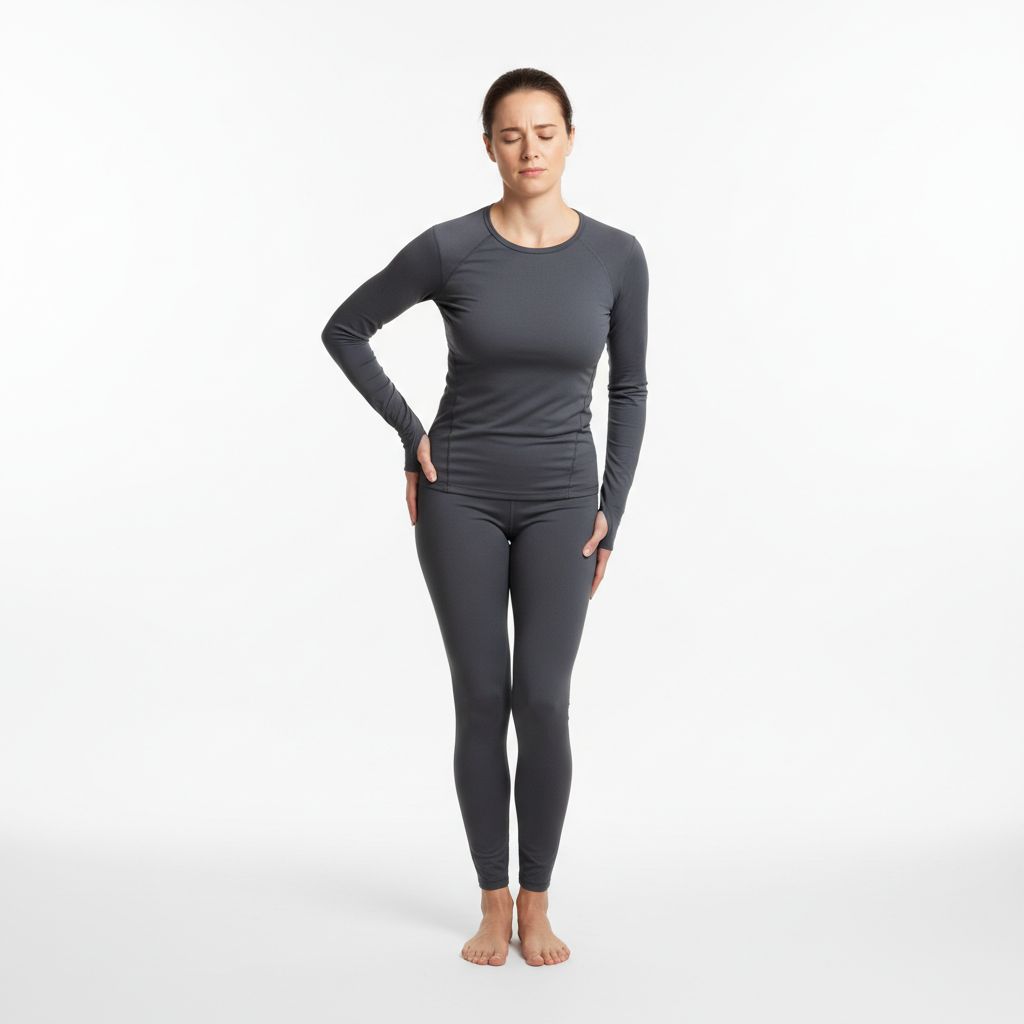
Best Pilates for Mobility: Complete Guide to Improving Range of Motion & Joint Health
Mobility isn't just about touching your toes — it's about moving freely through life without restriction or pain. The best Pilates for mobility works because it combines controlled movement, core strength, and joint stabilization in ways that stretching alone simply cannot replicate. Whether you're managing age-related stiffness, recovering from an injury, or simply want to move better in daily life, Pilates offers a low-impact pathway to genuine, lasting range of motion gains.
What makes Pilates uniquely effective is that it doesn't just lengthen muscles passively — it builds the strength and stability needed to actually use that range of motion. The result is functional mobility: the kind that helps you bend, reach, sit, and move with ease and confidence.
This guide breaks down exactly how Pilates improves mobility, which exercises deliver the best results, and what you can realistically expect on the journey ahead.
Key Takeaways
- Mobility differs fundamentally from flexibility — it's active, strength-backed range of motion you can control and use daily, whereas flexibility alone is passive lengthening that fades when unused.
- Deep core strength (transverse abdominis, pelvic floor, multifidus) must be built before expanding range of motion, because it provides the spinal stability that makes joint movement safe and durable.
- Mat and reformer Pilates each serve different purposes: mat builds foundational body awareness and control, while reformers allow progressive resistance and guided movement paths ideal for injury recovery and stubborn joint restrictions.
- Three to four Pilates sessions per week produce noticeable functional changes within 8–12 weeks, with early neurological gains appearing within the first 4–6 weeks.
- Controlled, intentional breathing coordinated with movement — not exercise speed or flexibility metrics — is what differentiates Pilates mobility work from aggressive stretching and triggers lasting nervous system adaptation.
- Pilates for injury recovery works because movements are slow, supported, and progressively scaled to pain-free ranges, which prevents compensation patterns and allows joints to rebuild mobility without re-aggravating healing tissue.
Mobility vs. Flexibility: What's the Difference in Pilates?
These two words get used interchangeably all the time. They shouldn't be — and honestly, confusing them is one of the main reasons people plateau when they're trying to move better.
Understanding Flexibility
Flexibility refers to passive range of motion — how far a joint or muscle can travel when an external force assists it. Think of sitting on the floor and reaching for your toes while someone gently presses on your back. Your hamstrings may lengthen considerably in that moment, but the second the pressure releases, they spring back.
Stretching builds flexibility, and flexibility has real value. But on its own, it doesn't guarantee you can use that range of motion when life demands it.
What Pilates Means by Mobility
Mobility is something different — and more demanding. It's active, controlled range of motion backed by strength and stability. It's the ability to move a joint through its full arc under your own muscular power, with your nervous system fully in the loop.
That feeling of smooth, unobstructed movement when you rotate your spine and actually feel each vertebra respond — that's mobility. It's the range of motion you can access, own, and rely on when you're reaching overhead, bending to pick something up, or turning to back out of a driveway. The best Pilates for mobility training targets exactly this: functional movement you can use in real life, not just on a mat.
Why Pilates Builds Both — And Why That Matters
Pilates integrates strengthening through a full range of motion, which is what separates it from static stretching or passive flexibility work. As you lengthen a muscle in Pilates, you're simultaneously asking it to work — to control the movement, support the joint, and stabilize the surrounding structures.
Over time, this develops flexibility and mobility together, creating range of motion that is durable rather than fleeting. Passive flexibility fades quickly when unused. Mobility built through Pilates core strength and controlled movement tends to stick, because your muscles have learned to operate in that range — not just visit it.
How Core Strength Unlocks Mobility
Most people assume mobility is purely about the joints themselves — loosen the hip, free the shoulder, and you're done. In Pilates, though, mobility begins somewhere else entirely: deep inside the trunk, where stability makes everything else possible.
The Core as Your Movement Foundation
When Pilates practitioners talk about the core, they don't mean the six-pack muscles you can see. They mean the deeper layer beneath — the transverse abdominis wrapping like a corset around the spine, the pelvic floor working as its base, and the multifidus running alongside each vertebra, providing segmental support at every level.
These muscles don't produce big, visible movements. They create the quiet, steady foundation that every other movement depends on. Think of lifting your arm overhead — what keeps your spine from collapsing or rotating under the load? Your deep core. That subtle, almost imperceptible engagement before movement even begins is what separates controlled Pilates movement from simple stretching. Without it, joints compensate, range of motion gets borrowed from the wrong places, and stiffness gradually wins.
Stabilization Before Mobility
Pilates is deliberate about sequencing. Before expanding range of motion, it builds the stability that makes that expansion safe. Here's the thing — this is why the best Pilates for mobility doesn't rush into deep stretches on day one.
Early sessions focus on joint control, neutral spine awareness, and learning how to brace without bracing too hard. Only once that foundation is solid does the work progress — gradually challenging range, loading joints through fuller arcs, and building the kind of flexibility and mobility that actually holds up under real-life demands. This staged approach is precisely why Pilates works so well for injury recovery and for people dealing with chronic stiffness.
Practical Impact: Why Core Strength Changes How You Move
The proof shows up in ordinary moments. Bending to pick something up from the floor without that familiar pull across the lower back. Reaching into an overhead cupboard and feeling your shoulder move freely rather than catching. Sitting through a long meeting and noticing, for once, that your posture held itself without effort.
Low-impact Pilates core work translates directly into these moments because it trains the muscles that support posture and joint alignment all day long — not just during exercise. A strong, responsive core doesn't just make Pilates exercises for stiffness more effective; it changes the baseline from which every movement in your life begins.
Best Pilates for Mobility: Mat vs. Reformer — Which Is Right for You?
Both approaches work. The real question is which one works best for you, right now, given your body, your goals, and what you have access to. Understanding the differences helps you make a smarter choice — and sometimes, the answer is both.
Mat Pilates for Mobility
There's something clarifying about working with nothing but your body and the floor beneath you. Mat Pilates strips mobility training down to its purest form: you, gravity, and the demand to control every degree of movement without external support.
That simplicity is genuinely powerful. Because there's no machine guiding you, mat Pilates builds deep body awareness fast. Your nervous system has to figure out where your joints actually are, how far they can comfortably move, and what muscles need to engage to get you there safely. Mat Pilates is also completely portable — a folded towel on a hotel room floor is enough to run through a full sequence of exercises for stiffness relief.
For building foundational range of motion and control — especially in the spine, hips, and shoulders — mat is hard to beat. It suits beginners well, but don't mistake accessible for easy. Low-impact Pilates on a mat can challenge even experienced movers when form is prioritized over momentum.
Reformer Pilates for Mobility
The reformer feels different the moment you lie on it — the carriage glides with a smooth, almost frictionless resistance you simply can't replicate on a mat. That sensation matters. The spring-based system allows you to work through a full range of motion with controlled, graduated resistance, which is particularly valuable for injury recovery and anyone dealing with joint stiffness or limited range of motion.
Joint support is another key advantage. The carriage and foot bar create a guided movement path, reducing the compensation patterns that often emerge when injured or stiff joints try to work through full range. You're more likely to find the correct movement than to cheat around it. For targeted mobility work — hip flexors, thoracic spine, shoulder girdle — the reformer gives you positions and angles that are simply impossible on a mat.
Combining Both for Maximum Mobility Gains
The best Pilates for mobility doesn't have to be either/or. Think of mat as your foundation and the reformer as your progression tool. Start on the mat — build the body awareness, core strength, and movement patterns that make every other Pilates practice more effective. Once that foundation is solid, the reformer can take your range of motion further and unlock mobility in joints that mat work struggles to reach.
That said, people who only ever do mat Pilates see remarkable flexibility and mobility improvements. What matters far more than which piece of equipment you use is how consistently you show up and how carefully you attend to form. Consistency beats equipment every time.
5 Essential Pilates Exercises for Mobility and Range of Motion
No single exercise does everything. These five movements form the backbone of any effective Pilates mobility practice — each one targeting a different joint or movement pattern, each one teaching your body to move with both freedom and control.
Spine Stretch Forward
Sit tall, legs extended, and imagine lengthening your spine before you even begin to fold forward. That's the point of this exercise — not how far you reach, but how much you articulate along the way. Each vertebra flexes in sequence, creating space between the discs and improving forward flexion through active, controlled movement rather than passive collapsing.
We see this all the time: students straining to reach their feet and missing the entire benefit of the exercise. The quiet, deliberate unlocking sensation down the length of your back as you exhale into the stretch — that's where the real mobility work is happening.
Modification: If tight hamstrings pull your pelvis into a posterior tilt before you've even started, sit on a folded blanket to elevate the hips slightly. This restores the pelvis to neutral and lets the spine do the actual work.
Pelvic Tilts and Bridges
Pelvic tilts are deceptively simple. Lying on your back, you gently rock the pelvis between anterior and posterior tilt — a small movement with significant impact on lumbar spine mobility and hip joint awareness. The bridge builds on this foundation, lifting the spine off the mat one segment at a time.
Bridging doesn't just stretch the hip flexors — it actively loads the posterior chain while the spine articulates, which is exactly how Pilates core strength and mobility reinforce each other. Daily activities like climbing stairs or rising from a chair use this exact movement pattern. Low-impact Pilates at its most functional.
Leg Circles
Leg circles are where Pilates joint mobility becomes visible. One leg extends toward the ceiling while the other grounds the body; the working hip then traces a controlled circle in the socket. The challenge — and the benefit — is that the pelvis must remain completely still while the hip moves freely. That contrast is the whole lesson.
Start with small circles. They're harder than they look. As stability improves, the circle grows, progressively increasing range of motion without sacrificing the pelvic control that keeps the movement safe.
Roll Down
Stand tall, tuck your chin, and begin rolling the spine downward — one vertebra at a time — until your hands hang toward the floor. Then reverse, stacking each vertebra back up on the way to standing. Done correctly, this movement exposes every stiff or stuck segment in the spine almost immediately.
The roll down is one of the best Pilates exercises for stiffness because it demands segmental mobility, not just global forward bending. Most people compensate by hinging at the hips; Pilates asks for true spinal articulation. Over time, the movement becomes fluid where it was once rigid — and that reflects genuine structural change.
Swan (or Cobra Stretch)
Lying face down, the swan extension builds thoracic and lumbar mobility by encouraging the spine to move into extension — a direction many people rarely access in daily life. The chest opens, the shoulders draw back, and the back extensors do real work rather than simply allowing the movement to happen passively.
Breathe here. Inhale as you lift, exhale as you lower with control. That rhythm prevents the movement from becoming a passive collapse and turns it into active Pilates for range of motion. For anyone working through upper back tension or early-stage injury recovery, propping onto the forearms rather than the hands reduces spinal load while preserving all the mobility benefits.
Breathing and Controlled Movement: The Pilates Mobility Secret
Most people focus on the exercises when they discover the best Pilates for mobility. The breathing is where the real work happens — and honestly, it's the piece most beginners underestimate for the first several weeks.
How Pilates Breathing Supports Mobility
Pilates uses lateral thoracic breathing — directing the breath sideways into the ribcage rather than letting the belly rise and fall passively. As you inhale, your ribs expand outward like an accordion opening, the sides of your torso pressing gently against your hands if you rest them there. On the exhale, the ribs draw back in, naturally engaging the deep core muscles that stabilize your spine.
This matters for joint mobility because breath and movement are coordinated deliberately. Inhaling prepares the body; exhaling drives the effort. That timing cues the nervous system, activates the stabilizers, and allows joints to move through a fuller, safer range. The breath isn't decorative. It's structural.
Controlled Tempo and Joint Stability
Slow movement is not easy movement. When you reduce the speed of an exercise, the muscles around a joint have to work continuously rather than relying on momentum to carry the limb through. This is why Pilates for range of motion produces more durable results than aggressive stretching — fast, forced stretching can bypass the muscular support a joint needs, while controlled Pilates movement demands it.
That constant muscular engagement, maintained through a deliberate tempo, is what makes Pilates core strength and joint stability inseparable. You're not just moving farther. You're moving better.
Building Proprioception Through Conscious Movement
Proprioception is your body's ability to sense where it is in space and how it's moving. Crucially, it's trainable. Low-impact Pilates, performed with breath awareness and intentional tempo, repeatedly asks your nervous system to map your body's position — building a feedback loop between brain and joint that improves over time.
This is functional mobility. Not a flexibility number, not a static pose held until it hurts. It's the learned, integrated movement control that makes reaching, rotating, and bending feel effortless in daily life — and it starts with a single, well-placed breath.
Pilates for Mobility After Injury and Recovery
Recovery is rarely a straight line. It involves setbacks, frustrating plateaus, and the constant tension between wanting to move freely again and being afraid to push too far. Pilates understands that tension — and works with it rather than against it.
Why Pilates Is Low-Impact and Joint-Friendly
Unlike running, jumping, or high-intensity training, low-impact Pilates places no sudden force through vulnerable joints. Movements are performed slowly, with deliberate control, often from supported positions lying down or seated. There's no jarring impact, no momentum pulling a joint past its safe range.
Instead, you feel muscles quietly engaging — a deep, almost gentle resistance — as the body learns to move within its current limits. That quality of movement is precisely what makes Pilates for injury recovery so well-suited to restoring joint mobility without aggravating healing tissue.
Progressive Mobility Restoration
Pilates doesn't demand that you perform an exercise in its full form from the first session. A client recovering from hip surgery, for example, might spend the first two weeks doing nothing more than small, controlled leg movements lying down — and leave each session feeling genuinely better, not depleted. Modifications exist at every level, allowing you to work within a pain-free range and gradually expand from there.
This incremental approach reduces compensation patterns, where the body unconsciously recruits the wrong muscles to avoid discomfort. Listening to your body isn't passive — in Pilates, it's an active, practiced skill.
When to Work with a Qualified Instructor
If you're using Pilates for injury recovery, professional guidance matters. A qualified Pilates instructor — ideally one with experience in rehabilitation or post-injury work — can adapt exercises to your specific needs and identify movement habits that might slow your progress.
Always consult your healthcare provider before beginning or returning to exercise after injury. Finding an instructor with rehabilitation experience may take some research, but that extra step is worth it. Your recovery deserves that level of care.
Pilates Mobility for Seniors: Age-Specific Benefits
Age doesn't take mobility quietly. It chips away gradually — a little more stiffness getting out of bed, a little less ease reaching overhead, a slight hesitation before stepping off a curb. But this progression is far less inevitable than most people assume, and Pilates is one of the most effective tools available for interrupting it.
Why Seniors Lose Mobility and How Pilates Reverses It
Three overlapping changes drive age-related stiffness: gradual muscle loss, reduced activity levels, and changes in joint tissue that make movement feel less fluid. Each compounds the others — less muscle means less support for joints; less movement means less lubrication and more stiffness; more stiffness means even less movement.
Low-impact Pilates directly disrupts that cycle. It rebuilds the strength that supports joints while simultaneously working on flexibility and mobility together — not as separate goals, but as one integrated practice. Exercises that strengthen the deep core also decompress the spine. Movements that open the hips also build the hip stability needed to move confidently. The result isn't just a wider range of motion on paper — it's joints that feel warmer, more responsive, more yours again.
Functional Mobility for Daily Life
The real measure of joint mobility work isn't what happens on the mat. It's the morning you reach the top shelf without bracing for discomfort. It's walking on uneven ground without that small flicker of anxiety. It's bending to tie your shoes and rising back up in a single, unconsidered movement.
These aren't small things. They are daily life. Pilates exercises for stiffness — particularly spinal articulation, hip mobility work, and controlled standing movements — translate directly into the tasks that determine how independent and comfortable each day feels.
Modified Pilates for Senior Bodies
Accessibility is built into the best Pilates for mobility at every level. Chair-based variations allow seated practice for anyone managing balance concerns or limited standing tolerance. Wall support transforms standing exercises into safe, stable movements that still deliver genuine core strength and range-of-motion benefits.
The principle is always the same: start where you are, move with control, and let progress come. Pilates meets senior bodies without judgment — and the payoff accumulates steadily with every session.
How Often and How Long: Realistic Timelines for Mobility Improvement
"How long will this take?" It's the most honest question anyone asks before committing to a new movement practice — and it deserves a straight answer. Pilates for range of motion produces early results faster than most people expect. The realistic caveat: lasting, functional mobility is built over months, not days. Both things are true.
First 4–6 Weeks: Initial Awareness and Mobility Gains
The first changes you'll notice aren't dramatic. They're quiet — the way your hips feel looser when you climb stairs, or that subtle ease when you reach across the car for your seatbelt. Stiffness that felt fixed starts to soften.
This happens because early Pilates gains are largely neurological. Your nervous system is learning new movement patterns, registering deeper ranges of motion as safe, and recruiting stabilizing muscles more efficiently. You're not rebuilding tissue yet — you're retraining communication between your brain and your body. That process is fast, which is why even beginners report meaningful changes within the first few weeks. Core awareness often sharpens during this window too, laying the foundation that all future mobility work depends on.
8–12 Weeks: Noticeable Functional Changes
This is where Pilates joint mobility shifts from felt to visible. Sustained work at three to four sessions per week produces measurable range of motion improvements — hips that rotate more freely, a spine that articulates with less resistance, shoulders that move without the familiar catch or tightness.
Strength and mobility begin integrating during this phase. Low-impact Pilates has been steadily conditioning the muscles around your joints, so your expanded range of motion is now supported, not just available. That's the difference between Pilates flexibility and mobility versus passive stretching — the gains hold because they're backed by strength. Three focused 30-minute sessions outperform one exhausting 90-minute effort every time.
Recommended Frequency for Lasting Mobility
Three to four sessions per week produces steady, compounding progress. Two sessions per week will maintain mobility gains and still move you forward — just more gradually. Daily practice, when it's accessible and sustainable, accelerates results noticeably.
Here's the honest framing: this is a long-term investment, not a short-term fix. Pilates core strength and mobility build together over time, and the body you're training toward keeps evolving. Start where you are, show up consistently, and the rest follows.
FAQ: Common Questions About Pilates and Mobility
Is Pilates Better Than Yoga for Improving Mobility?
Neither wins outright. Both are genuinely effective paths to better flexibility and mobility — they simply take different routes. Pilates prioritizes building strength through range of motion, so every movement develops stability alongside suppleness. Yoga leans more toward breath-led holds and lengthening through stillness.
If you want controlled, functional movement you can actually use — reaching, bending, carrying — Pilates tends to deliver that more directly. If deep, meditative stretching resonates with you, yoga is equally valid. Many people find both practices complement each other beautifully. The best choice is the one you'll do consistently.
Can Pilates Help With Limited Range of Motion or Stiffness?
Absolutely — and this is where Pilates genuinely excels. Pilates exercises for stiffness work progressively, starting with small, controlled movements that gently coax joints through their available range without forcing anything. The core strength foundation matters here too: when your deep stabilizers are engaged, your body feels safe enough to release tension and move more freely.
That gradual unlocking — the feeling of a stiff hip slowly softening as you work through a controlled leg circle — is something practitioners describe again and again. It is never too late to start, and the stiffer you are, the more room you have to improve.
Is Pilates Safe for Improving Mobility After an Injury?
Yes, with the right guidance. Low-impact Pilates is specifically well-suited to injury recovery because there's no jumping, no sudden loading, and every movement can be scaled back to wherever your body currently is. The controlled tempo and core support protect vulnerable joints while still restoring range of motion progressively.
That said, always get clearance from your healthcare provider before starting, and where possible, work with an instructor experienced in post-injury mobility. They can modify exercises in real time based on what your body is telling them — something no video or guide can fully replicate.
Do I Need to Be Flexible to Start Pilates for Mobility?
No. Full stop. Pilates builds flexibility and mobility together — you don't arrive with them, you develop them through practice. People who are genuinely tight often see the fastest early improvements simply because there's more range to uncover. You don't need to touch your toes to do a Spine Stretch Forward; you need to be willing to move carefully and consistently.
Can Pilates Alone Improve Mobility, or Should It Be Combined With Other Exercises?
Pilates alone is more than sufficient for meaningful joint mobility gains. The system is comprehensive — addressing spinal articulation, hip range of motion, shoulder mobility, and core stability within a single practice. Pairing it with complementary activities like walking or light stretching can help what you're building carry over into daily life more quickly, but think of those additions as accelerants, not requirements. Consistency with Pilates itself, practiced three to four times per week, will produce genuine, lasting results on its own.
Frequently Asked Questions
How long does it take to see mobility improvements from Pilates?
Most people notice initial improvements within two to four weeks of consistent practice — often subtle things, like less stiffness when you bend or standing up from a chair feeling easier. Significant, measurable changes in range of motion typically emerge around eight to twelve weeks when practiced two to three times per week. Mobility is a gradual process; the longer you stick with it, the more substantial your improvements become, with many practitioners continuing to gain range of motion over months and years.
Is Pilates better than yoga for improving mobility?
Pilates and yoga both improve mobility, but they work differently — Pilates emphasizes controlled, dynamic movement paired with core stabilization, while yoga often holds stretches longer to deepen range of motion. For mobility specifically, Pilates shines because it builds strength through your available range, which makes gains more functional in daily life. The honest answer: the best choice is whichever you'll actually do consistently, though many people benefit from combining both.
Can Pilates help with limited range of motion or stiffness?
Absolutely — Pilates is particularly effective for stiffness because it addresses both the muscles and the neuromuscular patterns that restrict movement. By gently challenging your joints through progressively larger ranges of motion while maintaining core support, Pilates teaches your body it's safe to move more freely. Whether your stiffness comes from desk work, age, or previous injury, the practice gradually rewires your movement patterns and relieves the muscular tension that locks you down.
What's the difference between mat and reformer for mobility work?
Mat Pilates uses your body weight for resistance and is excellent for building stability while improving mobility — it's accessible and teaches you to control your own movement without external support. Reformer Pilates adds variable resistance through springs and a sliding carriage, which allows for more dynamic sequences and makes it easier to explore deeper ranges of motion safely. For pure mobility gains, many people find the reformer's support helps them move more freely, but mat Pilates is perfectly effective when you're consistent and mindful of form.
Is Pilates safe for improving mobility after an injury?
Pilates can be an excellent post-injury recovery tool because its low-impact, controlled nature allows you to rebuild mobility without jarring or re-injuring tissues. Timing and modification matter enormously — always consult your physical therapist or doctor before starting, and work with an instructor experienced in injury recovery to ensure exercises match your healing stage. When done correctly, Pilates actually supports recovery because it rebuilds strength and stability alongside mobility.
Do I need to be flexible to start Pilates for mobility?
Not at all — Pilates is often better for people who are stiff because it doesn't force you into deep stretches before you're ready. The method respects your current range of motion and gradually expands it through repetition and controlled movement, so you build both flexibility and the strength to maintain it. Starting stiff is actually an advantage: you'll likely see noticeable improvements quickly simply because you have more room to gain.
How often should I do Pilates to improve mobility?
Two to three times per week is the sweet spot for meaningful mobility gains — this frequency allows your body to adapt and strengthen while giving you enough recovery time to avoid burnout. If you're new to Pilates, even once weekly will produce results, though progress accelerates with more consistency. The key is regularity over intensity — showing up twice a week for months outperforms sporadic intense sessions every time.
Can Pilates alone improve mobility or should it be combined with other exercises?
Pilates alone can absolutely improve mobility, especially when you practice consistently and thoughtfully — many people see excellent results from Pilates-only routines. Combining it with complementary practices like gentle yoga, foam rolling, or swimming can accelerate results and prevent plateaus by challenging mobility in different ways. Pilates is powerful enough to stand alone, but pairing it with other movement practices creates a more well-rounded approach to lasting mobility gains.
If you want a structured starting point for the best Pilates for mobility, the 99 Pilates Exercises manual covers every exercise in this guide — and 80 more — with clear instructions and illustrations for every level.
Frequently Asked Questions
- How long does it take to see mobility improvements from pilates?
- Most people notice initial improvements in mobility within 2-4 weeks of consistent practice, though these are often subtle—like less creaking when you bend or standing up from a chair feeling easier. Significant, measurable changes in range of motion typically emerge around 8-12 weeks when practiced 2-3 times per week. Keep in mind that mobility is a gradual process; the longer you stick with it, the more dramatic your improvements become, with many practitioners continuing to gain range of motion over months and years.
- Is pilates better than yoga for improving mobility?
- Pilates and yoga both improve mobility, but they work differently—pilates emphasizes controlled, dynamic movement paired with core stabilization, while yoga often holds stretches longer to deepen range of motion. For mobility specifically, pilates shines because it builds strength *through* your available range, which makes gains more functional and less injury-prone in daily life. The honest answer: the best choice is whichever you'll actually do consistently, though many people benefit most from combining both practices.
- Can pilates help with limited range of motion or stiffness?
- Absolutely—in fact, pilates is particularly effective for stiffness because it addresses both the muscles and the neuromuscular patterns that restrict movement. By gently challenging your joints through progressively larger ranges of motion while maintaining core support, pilates teaches your body it's safe to move more freely. Whether your stiffness comes from desk work, age, or previous injury, pilates gradually rewires your movement and relieves the muscular tension that locks you down.
- What's the difference between a mat and reformer for mobility work?
- Mat pilates uses your body weight for resistance and is excellent for building stability while improving mobility—it's accessible, affordable, and teaches you to control your own movement. Reformer pilates adds variable resistance through springs and sliding carriage, which allows for more dynamic, flowing sequences and makes it easier to explore deeper ranges of motion safely. For pure mobility gains, many people find the reformer's support helps them move more freely, but mat pilates is perfectly effective if you're consistent and mindful of your form.
- Is pilates safe for improving mobility after an injury?
- Pilates can be an excellent post-injury recovery tool because its low-impact, controlled nature allows you to rebuild mobility without jarring or re-injuring tissues. That said, timing and modification matter enormously—you should always consult your physical therapist or doctor before starting, and work with an instructor experienced in injury recovery to ensure exercises match your healing stage. When done correctly, pilates actually *accelerates* recovery because it rebuilds strength and stability alongside mobility.
- Do I need to be flexible to start pilates for mobility?
- Not at all—in fact, pilates is often *better* for people who are stiff because it doesn't force you into deep stretches before you're ready. The method respects your current range of motion and gradually expands it through repetition and controlled movement, so you build both flexibility and the strength to maintain it. Starting stiff is actually an advantage: you'll likely see dramatic improvements simply because you have more room to gain.
- How often should I do pilates to improve mobility?
- 2-3 times per week is the sweet spot for meaningful mobility gains—this frequency allows your body to adapt and strengthen while giving you enough recovery days to avoid burnout. If you're new to pilates, even once weekly will produce results, though progress accelerates with more consistency. You can supplement with lighter sessions (like online mat work) on off days, but the key is regularity over intensity—showing up twice a week for months beats sporadic intense sessions.
- Can pilates alone improve mobility or should it be combined with other exercises?
- Pilates alone can absolutely improve mobility, especially if you're consistent and practice thoughtfully—many people see excellent results from pilates-only routines. That said, combining pilates with complementary practices (like gentle yoga, foam rolling, or swimming) often accelerates results and prevents plateaus by challenging mobility in different ways. The bottom line: pilates is powerful enough to stand alone, but pairing it with other movement practices creates a more well-rounded approach to lasting mobility gains.